Are you ever inspired during the holiday season and decide to try your hand at making a gingerbread house from scratch? Annnnnd then your dreams of edible decorative glory come crashing down when your gingerbread house looks more like a shanty shack than a storybook chalet? I’ve been there, and maybe you have too. Have no fear! Expert baker and cake decorator, Jodi Rhoden will be here to save the (holi)day with her upcoming weekend class: Handmade Gingerbread Houses.
[caption id="attachment_15383" align="aligncenter" width="630"]
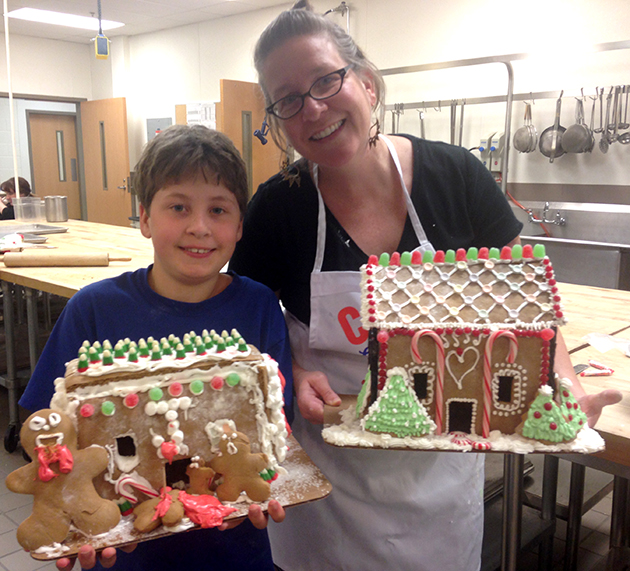
Jodi and her son Jasper show off their gingerbread house creations.[/caption]
 CP: What do you like about gingerbread houses?
JR:
CP: What do you like about gingerbread houses?
JR: The first time I ever made a gingerbread house, I was enchanted. I really felt like I wanted to become miniature and live inside the house! It feels completely magical and fantastical to create a little home out of candy and sweet gingerbread, and the smells, and textures (and of course, tastes, because there’s always scrap pieces of gingerbread that need to be eaten!) are uniquely pleasurable to the senses.
[caption id="attachment_15381" align="alignright" width="226"]
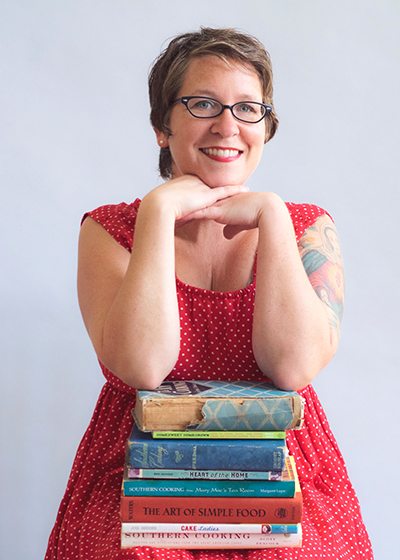
Photo by Nicole McConville[/caption]
CP: Do you have to be architecturally skilled to make a good gingerbread house? Who is the ideal student for your class?
JR: You do not have to be architecturally skilled to build a gingerbread house! The icing and the candy make it very forgiving. Like most things worth doing, though, it does take time. We will spend a good amount of time in the planning phase, cutting and measuring templates to create the right sizes for the pieces. I also always like to bake extra pieces, in case something breaks or bakes wonky.
CP: Have you ever participated in the National Gingerbread house Competition is at the Grove Park Inn? Did the proximity of this annual event in Asheville influence your interest in gingerbread house making?
JR: It has always been my dream to enter a house into the competition at the Grove Park Inn, though up until now I have been too busy with my business, Short Street Cakes, to seriously consider it. But now that I have sold my business to my employee, this just might be the right time!



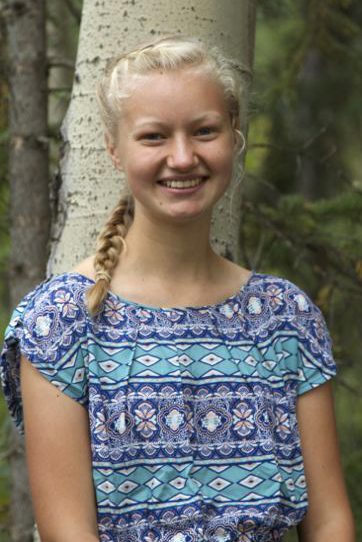
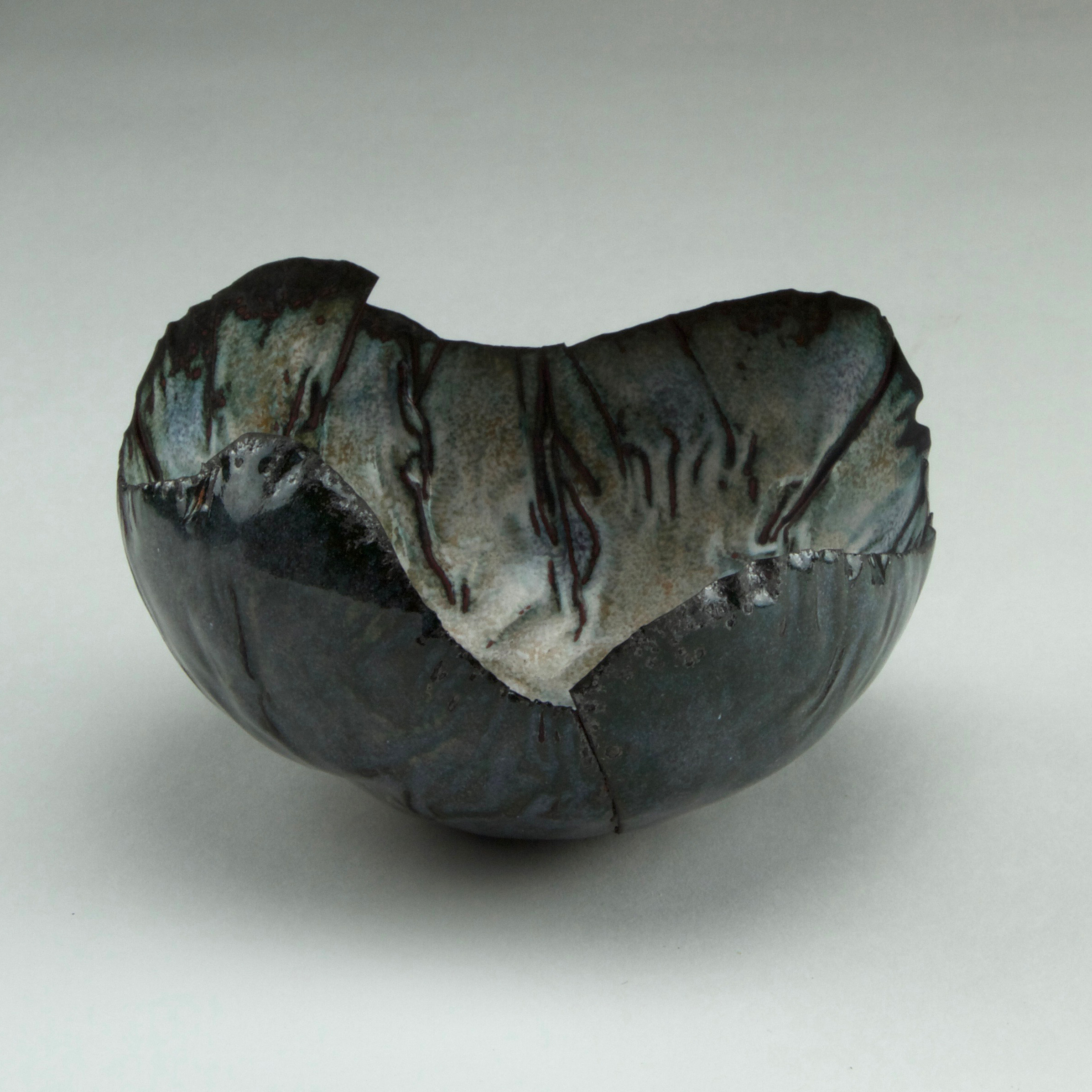
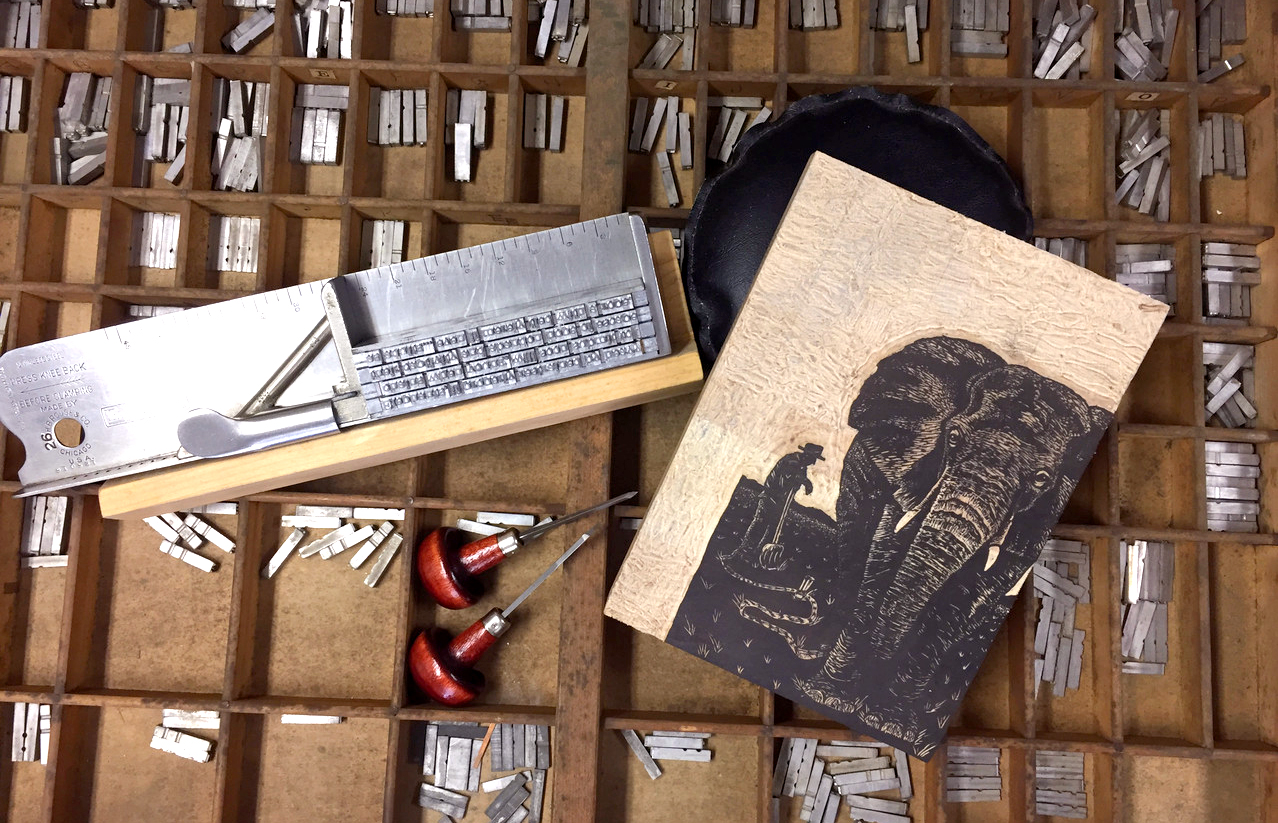
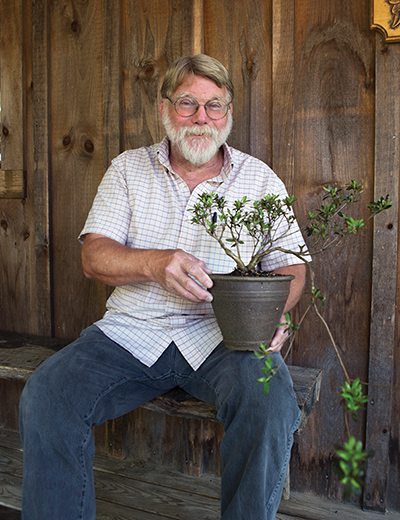
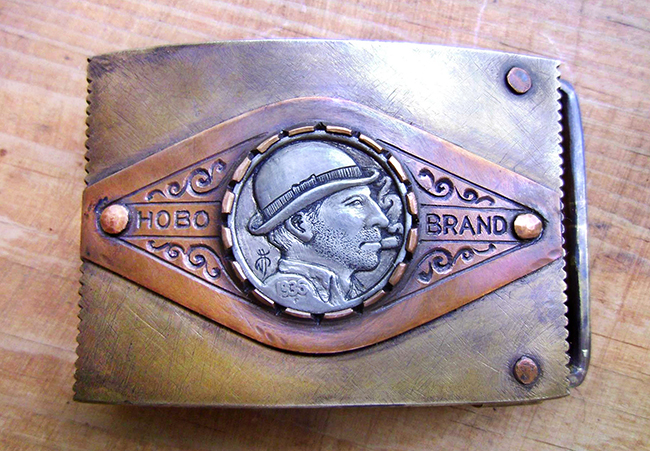 Tom Patterson has been a hand engraver and metalsmith for more than 50 years. Starting in his father's shop at age 14, he has been a lifelong student of metals and their manipulation. Currently, Tom continues his studies from his home studio in the mountains of western NC, where he fabricates artifacts of astonishing peculiarity. Unsure of what a hobo nickel is, I resisted the urge to google and decided to sit down with Tom and find out a bit more about the class. Enjoy our interview!
[caption id="attachment_16076" align="alignright" width="150"]
Tom Patterson has been a hand engraver and metalsmith for more than 50 years. Starting in his father's shop at age 14, he has been a lifelong student of metals and their manipulation. Currently, Tom continues his studies from his home studio in the mountains of western NC, where he fabricates artifacts of astonishing peculiarity. Unsure of what a hobo nickel is, I resisted the urge to google and decided to sit down with Tom and find out a bit more about the class. Enjoy our interview!
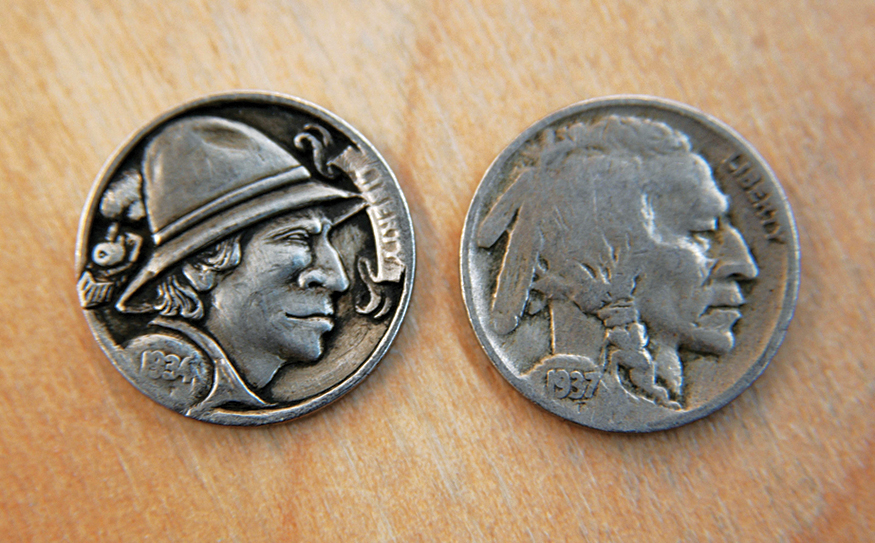
[caption id="attachment_16076" align="alignright" width="150"]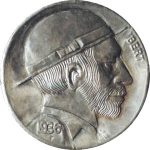 Hobo nickel by renowned original era carver Bertram "Bert" Wiegand[/caption]
CP: What is a hobo nickel?
TP: It’s a modified Indian Head Buffalo nickel and the profile of the Indian or the buffalo on either side has been modified to be something else. It was commonly used by hobos during the Great Depression to increase the value of a nickel. They could trade it for a ride, buy a meal, or buy off a train cop. People started liking hobo nickels and then coin collectors start to collect hobo nickels. Some of nickels created by carvers during the Depression Era became so valuable that modern people, who had some engraving ability, began to buy nickels from coin dealers to copy and counterfeit these original hobos. The counterfeit artist would get the big bucks for their “collectable” nickel. They were discovered, and instead of being discredited, they were celebrated and collected for their own abilities. So today, even though it is definitely a niche, there are a lot of hobo nickel carvers. One of the famous carvers, he had this little kit, or box, of his handmade tools, and it went to auction a few years back and it sold for $9000. The old original nickels are worth thousands of dollars now and some of the new nickels are worth a lot of money too.
Hobo nickel by renowned original era carver Bertram "Bert" Wiegand[/caption]
CP: What is a hobo nickel?
TP: It’s a modified Indian Head Buffalo nickel and the profile of the Indian or the buffalo on either side has been modified to be something else. It was commonly used by hobos during the Great Depression to increase the value of a nickel. They could trade it for a ride, buy a meal, or buy off a train cop. People started liking hobo nickels and then coin collectors start to collect hobo nickels. Some of nickels created by carvers during the Depression Era became so valuable that modern people, who had some engraving ability, began to buy nickels from coin dealers to copy and counterfeit these original hobos. The counterfeit artist would get the big bucks for their “collectable” nickel. They were discovered, and instead of being discredited, they were celebrated and collected for their own abilities. So today, even though it is definitely a niche, there are a lot of hobo nickel carvers. One of the famous carvers, he had this little kit, or box, of his handmade tools, and it went to auction a few years back and it sold for $9000. The old original nickels are worth thousands of dollars now and some of the new nickels are worth a lot of money too. 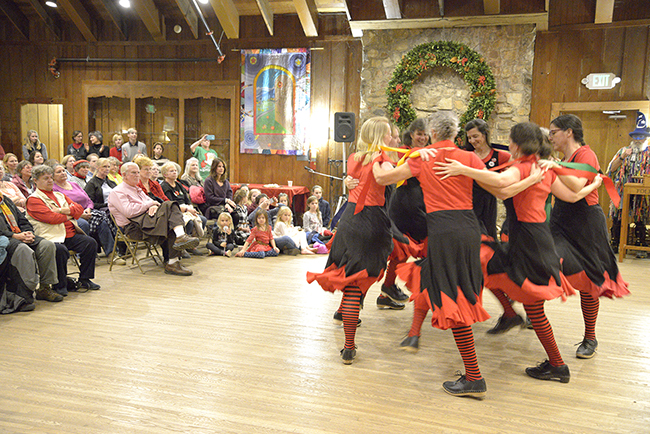
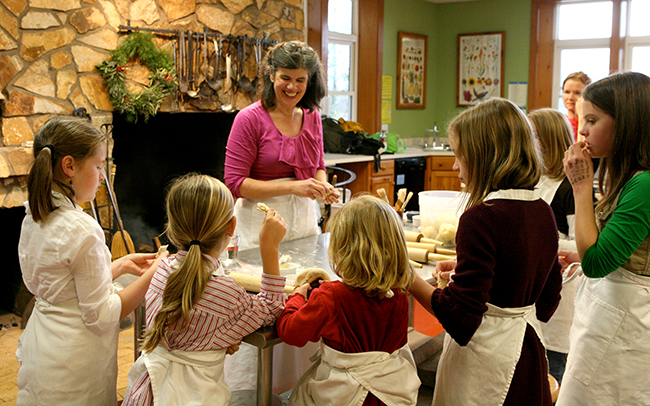 Children make cookies for the Holiday Kids Party[/caption]
The month of December is a special time at the Folk School. Events, parties, food, themed classes, concerts, dances and performances unite the community in the holiday spirit. When the wreaths, garlands, and handcrafted ornaments appear in early December, we know the magic of the season has arrived. Recently, I connected with Nanette Davidson, our longtime decorating maven and mastermind, to ask about holiday traditions at the Folk School. Enjoy our interview!
[caption id="attachment_15944" align="alignright" width="228"]
Children make cookies for the Holiday Kids Party[/caption]
The month of December is a special time at the Folk School. Events, parties, food, themed classes, concerts, dances and performances unite the community in the holiday spirit. When the wreaths, garlands, and handcrafted ornaments appear in early December, we know the magic of the season has arrived. Recently, I connected with Nanette Davidson, our longtime decorating maven and mastermind, to ask about holiday traditions at the Folk School. Enjoy our interview!
[caption id="attachment_15944" align="alignright" width="228"]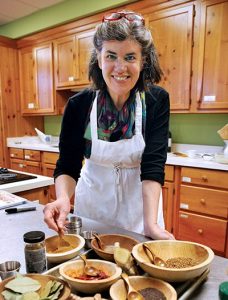 Nanette in the Cooking Studio[/caption]
CP: When does the holiday season begin for you?
ND: Well, I think about this off and on through out the year, planning simple projects for the winter holiday season and for spring's May Day and June's Auction Gala sometimes many months in advance. I have asked for help from other artists and dancers in the community to generate handmade decorations including giant puppets for parades. Jan and I love the seasonal celebrations that come from many rural, agricultural communities. When you live in the Appalachian countryside where there are distinct perennial landscapes, it's easy to celebrate the beauty of the changing seasons.
CP: What is your favorite Folk School December holiday tradition?
ND: We have so many great parties in December for the local community as well as our students who come in for a week. In the original days of the JCCFS, the student body was closely tied to the community and seasonal events were held to pull everyone together. We still want to include our local community and they are present here at weekly dances and concerts. We have the Old Folks Party, Christmas Dance/Dessert Potluck, New Year's Eve Dance, and the Children's Party when Santa arrives in the BFD Firetruck, sirens wailing. I have always helped with the Children's Party which includes crafts, musical chairs, storytelling, Morris performance, homemade cookies, and live music and dance for the kids. Even though we are an adult school we reach out to our local kids at Christmas and in the summer. More and more show up on the dance floor now. Every child that has a great folk school experience can help us preserve the school for the future.
Nanette in the Cooking Studio[/caption]
CP: When does the holiday season begin for you?
ND: Well, I think about this off and on through out the year, planning simple projects for the winter holiday season and for spring's May Day and June's Auction Gala sometimes many months in advance. I have asked for help from other artists and dancers in the community to generate handmade decorations including giant puppets for parades. Jan and I love the seasonal celebrations that come from many rural, agricultural communities. When you live in the Appalachian countryside where there are distinct perennial landscapes, it's easy to celebrate the beauty of the changing seasons.
CP: What is your favorite Folk School December holiday tradition?
ND: We have so many great parties in December for the local community as well as our students who come in for a week. In the original days of the JCCFS, the student body was closely tied to the community and seasonal events were held to pull everyone together. We still want to include our local community and they are present here at weekly dances and concerts. We have the Old Folks Party, Christmas Dance/Dessert Potluck, New Year's Eve Dance, and the Children's Party when Santa arrives in the BFD Firetruck, sirens wailing. I have always helped with the Children's Party which includes crafts, musical chairs, storytelling, Morris performance, homemade cookies, and live music and dance for the kids. Even though we are an adult school we reach out to our local kids at Christmas and in the summer. More and more show up on the dance floor now. Every child that has a great folk school experience can help us preserve the school for the future.