

16 Apr Live Appalachian Music: Where Preservation Meets Evolution
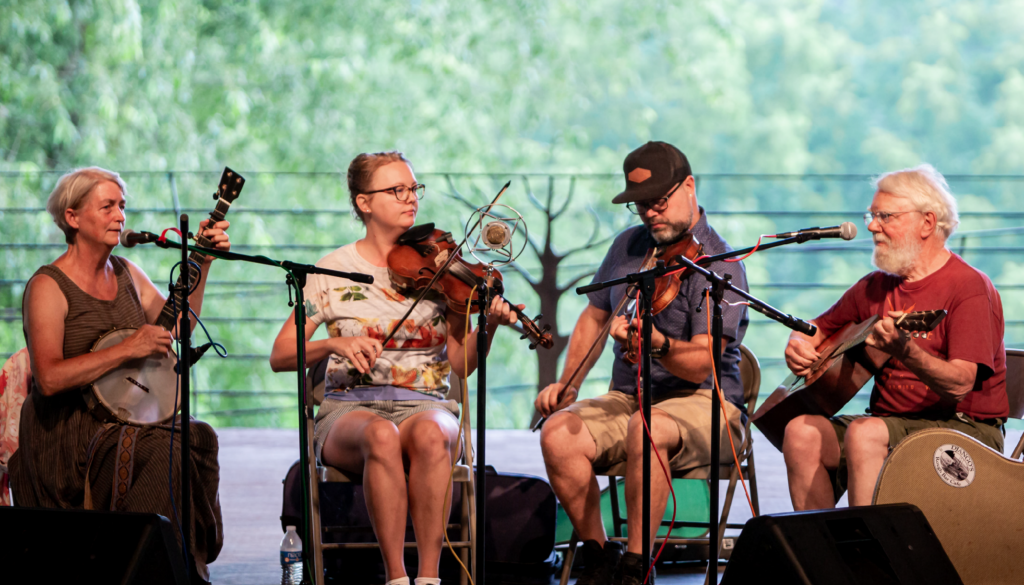
Appalachian music has never stood still. From the earliest gatherings on front porches to today’s festival stages, this tradition has always been a conversation between past and present. Each generation adds its own voice while carrying forward the rhythms and stories that came before.
The question isn’t whether the music should change. It’s how we keep it alive while honoring its origins. That balance is what makes Appalachian culture so vital today.
Roots: What Makes Appalachian Music “Appalachian”
Mountain music formed from multiple sources flowing together like streams into a river. What we recognize as Appalachian sound today came from diverse groups of people making music together in these mountains.
European immigrants (including Scots-Irish, English, Germans, French Huguenots, and later Eastern Europeans) settled in Appalachia over several centuries, from the colonial period through the early 20th century. African Americans made up about 12% of the population in the early twentieth century, and the Cherokee people were in the region for thousands of years before any of them. These communities lived and worked side by side, and their musical styles naturally began to mix over time.
The Appalachian music tradition rests upon several foundations:
- British ballads and hymns traveled to the mountains and gradually changed shape in the New World.
- African American musicians introduced key elements, including banjo traditions rooted in West African instruments, blues styles, slide techniques, and rhythmic patterns that later influenced bluegrass.
- The mountain dulcimer descended from the German scheitholt and was brought to Appalachia by European settlers.
- Cherokee musicians contributed long-standing musical traditions to the region, including river cane flutes and other instruments.
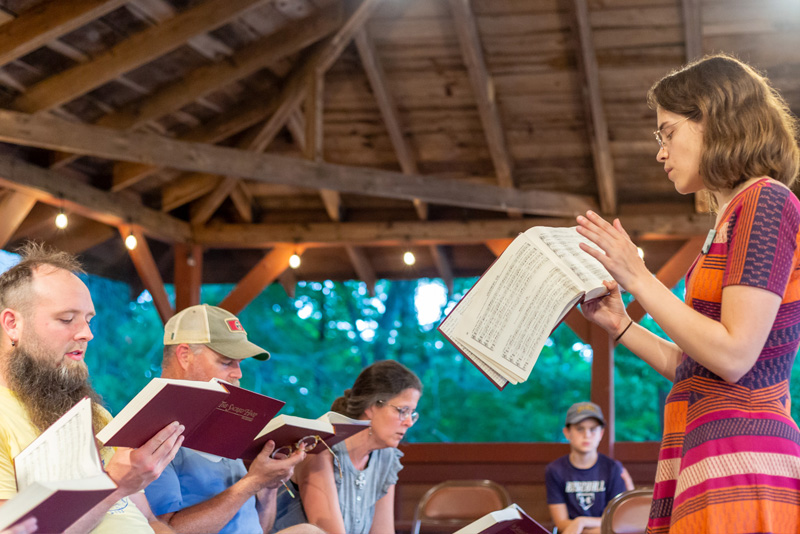
- Shape-note singing grew out of gospel gatherings and community worship traditions.
This mixing of cultures created something unique. Learning these instruments means learning a language built by many voices.
Preservation: Keeping It Real Without Keeping It Frozen
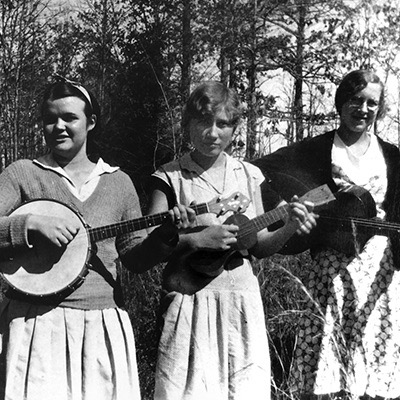
There’s real value in knowing the old songs, the traditional techniques, and the stories behind the tunes. Preservation matters because it connects us to the people who came before and the communities that sustained Appalachian music through hard times.
But preservation can become a trap if we treat traditional music like a museum artifact. The music stayed alive for generations because people made it their own, adapted it to their lives, and passed it forward with changes intact.
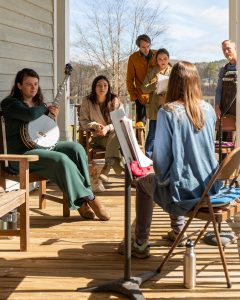
Folk music has always moved and changed along with the people who play it. From barn dances and front-porch gatherings to community halls and festival stages, every generation adds a little something new. Steps shift, tempos change, and musicians swap ideas. That’s how this music and dance tradition has traveled through history and stayed alive.
Evolution: New Voices, Ancient Echoes
Today’s artists are taking the tradition and making it their own. That means bringing new perspectives, new languages, and new sounds into conversation with old forms.
Folk culture is expanding in several directions at once:
- Genre blending brings together bluegrass music, blues, R&B, and old-time forms.
- Language revitalization efforts use traditional songs sung in Cherokee and other Indigenous languages.
- Reclamation projects highlight overlooked histories, especially the African American roots of banjo and string band music.
- Cross-cultural collaborations honor multiple heritages within the same performance.
- New songwriting uses traditional forms to address contemporary life.
In this way, the old songs keep traveling. Each generation adds a verse, and the music keeps moving forward. Music and dance programs now teach both the foundations and the innovations together.
The Centennial Sounds Series
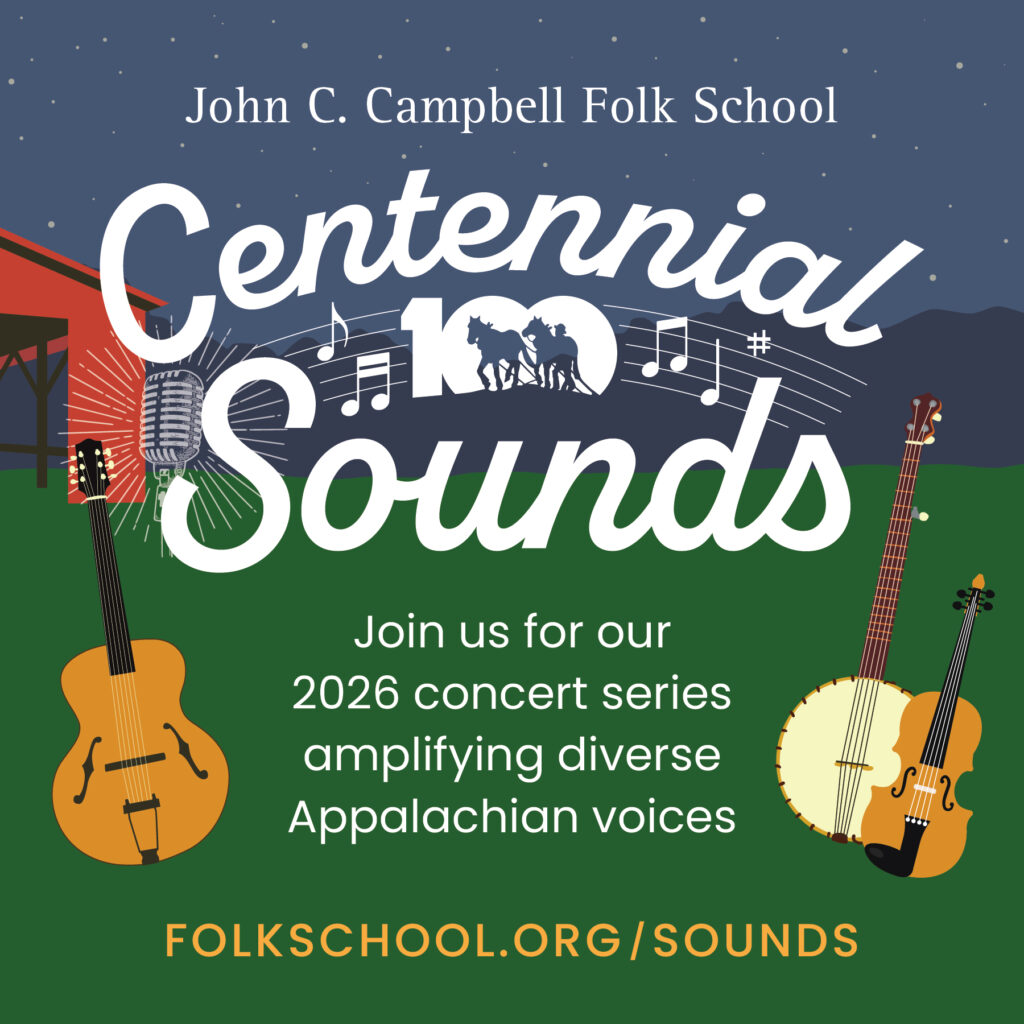
The John C. Campbell Folk School‘s Centennial Sounds series puts this philosophy into practice. Running from May through September 2026, the five-concert series brings together artists who embody both preservation and evolution in American folk music.
The lineup includes the Tray Wellington Band with Cherokee Language Repertory Choir, Amythyst Kiah and OkCello, Cornbread & Tortillas with Zoe & Clyde, Rebecca Porter Band with The Wilder Flower, and Jake Blount with Hubby Jenkins and Hannah Mayree in partnership with the Black Banjo Reclamation Project. Each performance happens on Monday evenings in the historic Festival Barn.
These concerts celebrate the Folk School’s 100 years of keeping music and dance at the center of community life. Tickets are $25 for adults and $5 for youth, available at www.folkschool.org/sounds.
Why Live Music Matters
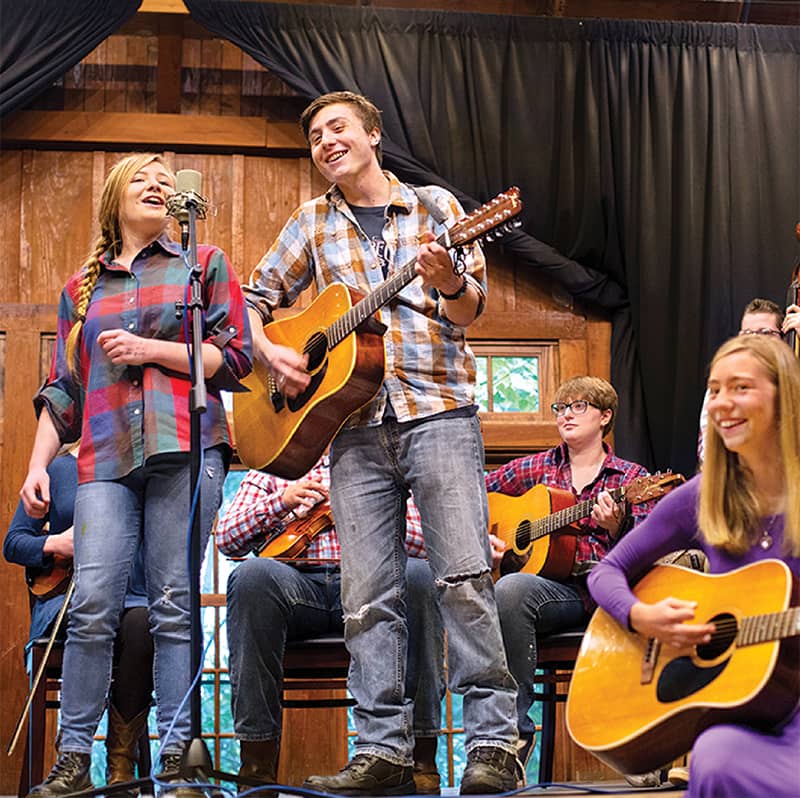
Live music brings people together in a way that recordings simply cannot. When musicians share songs face-to-face, everyone becomes part of the moment. At music festivals and community gatherings, strangers turn into neighbors while feet tap and voices join in. These shared experiences help keep traditions alive and remind us that music grows best when people gather to play and listen together.
Programs that support young musicians help carry this tradition forward. The JAM program for teens, for example, gives young players a welcoming place to learn songs and build confidence.
Come experience it yourself! Attend a live event or sign up for a music class to join the fun.
About the Folk School
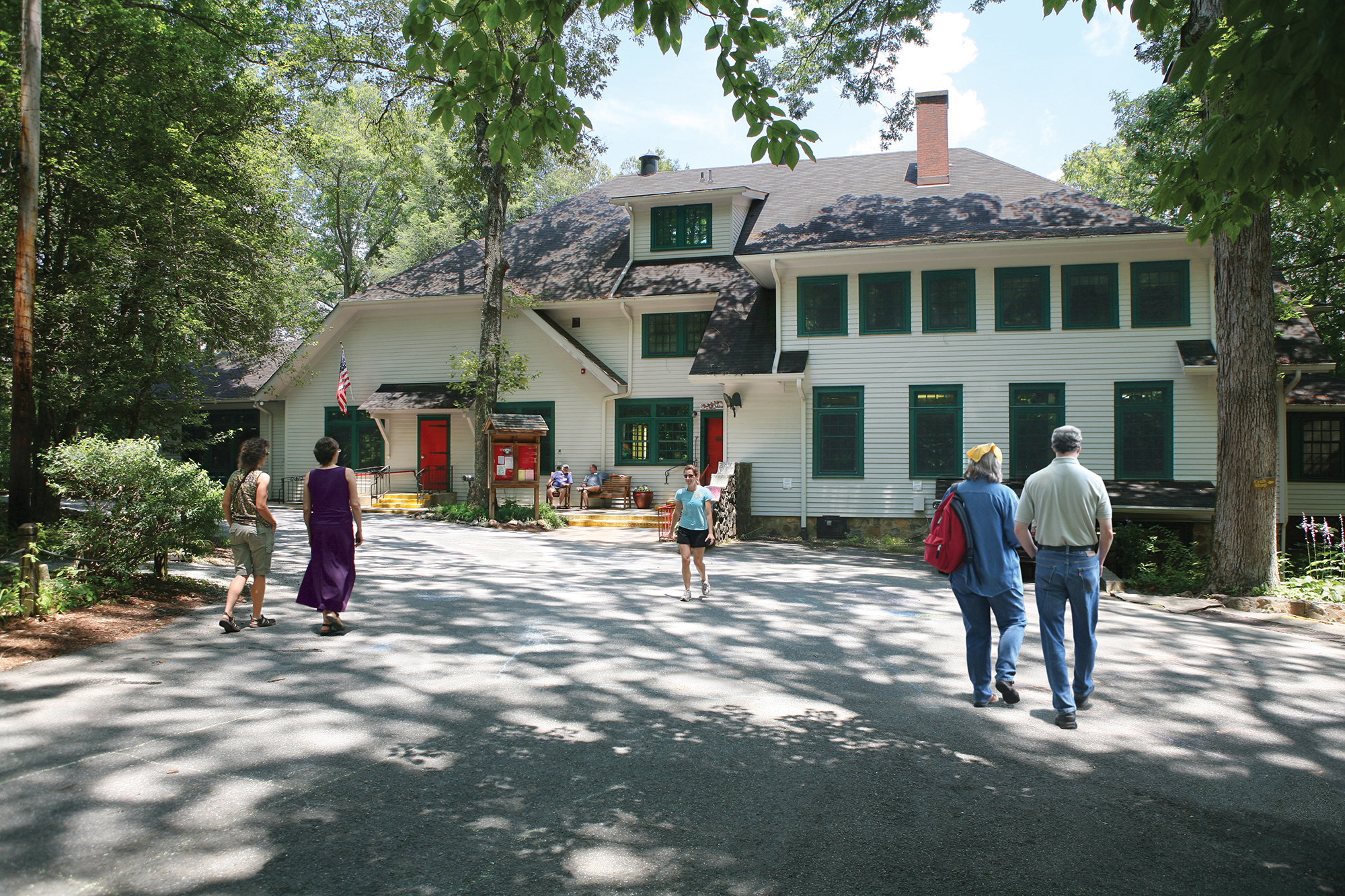
For 100 years, our mission has been to transform lives by bringing people together in a nurturing environment for experiences in learning and community life that spark self-discovery. We believe in the power of non-competitive, hands-on learning across more than 50 craft and art disciplines. From blacksmithing to basketry, music to woodworking, we create space for joy, kindness, and lifelong growth. Every year, we welcome over 6,000 students and 100,000 visitors to our historic campus in Brasstown, North Carolina.
Ready to discover something new? Find a class that speaks to you, or support our mission with a donation to help keep traditional crafts and community learning alive for generations to come.
No Comments