

13 Apr Weaving with Words: Interview with Scott Norris
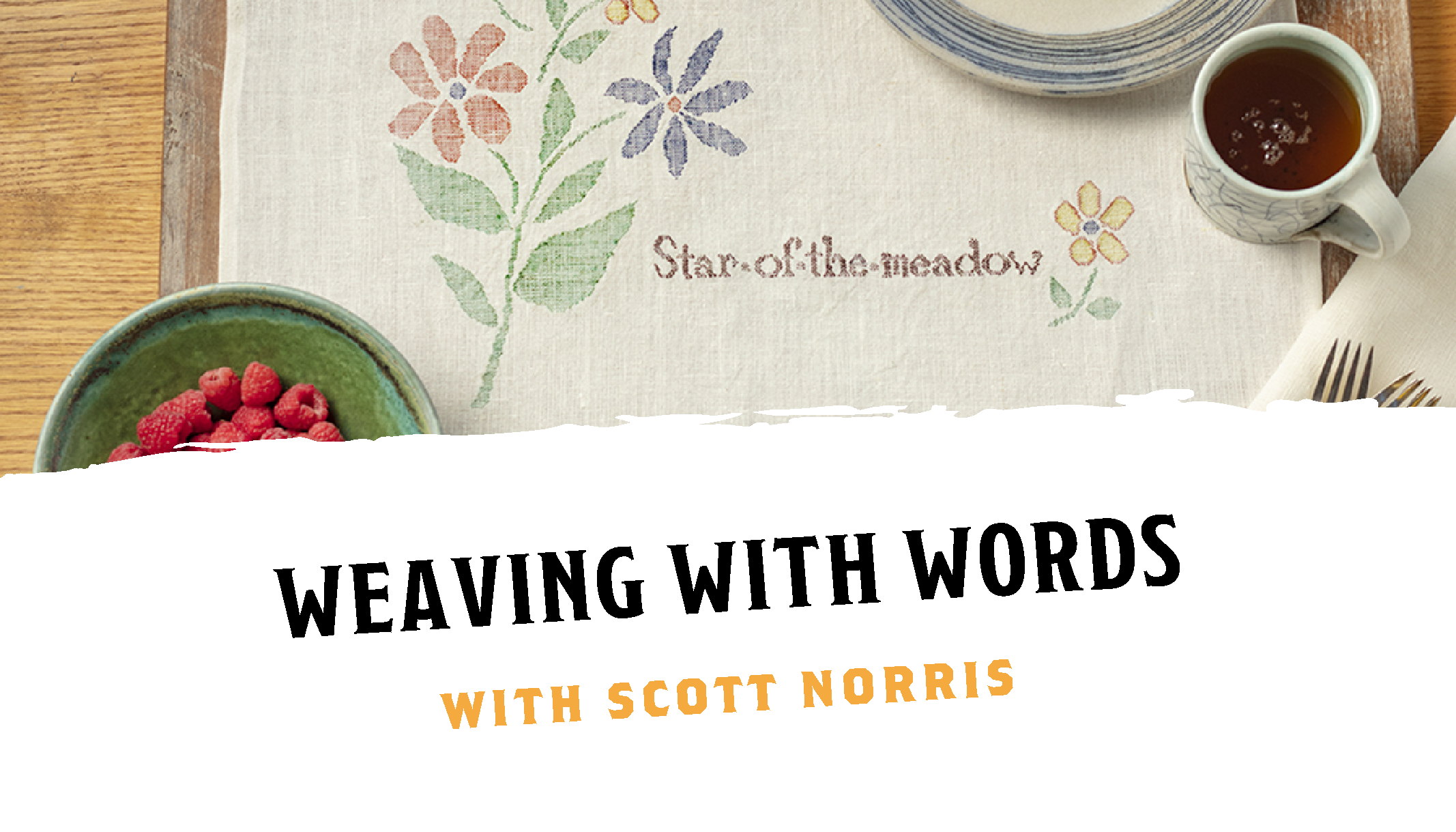
Scott Norris is a weaver and lover of language hailing from Massachusetts. We’re excited to have him join us for his first class at the Folk School, “Weaving with Words” from June 21-27, 2026, ahead of his upcoming book release on the same topic. Students in this class will explore techniques to weave words and images into cloth. Read more about Scott, these techniques, and his class in our interview below. Interested in signing up? Register today to secure your spot.
JCCFS: Tell us a bit about your upcoming class, “Weaving With Words.”
SN: I’ve been a weaver for almost 35 years, and have been teaching weaving for more than thirty years. My teaching has included many classes for beginning weavers, as well as advanced classes for experienced weavers. My class at the Folk School will focus on using inlay to weave words into cloth. It is based on my forthcoming book, Weave with Words: Using Inlay to Create Text in Woven Cloth, to be published by Schiffer Craft in July, 2026. It’s an exciting topic for me, because I’ve been an avid reader throughout my life, and weaving words into cloth gives me a way to express my admiration for books and stories while weaving.
JCCFS: What’s special to you about inlay, and how do you use it to weave words?
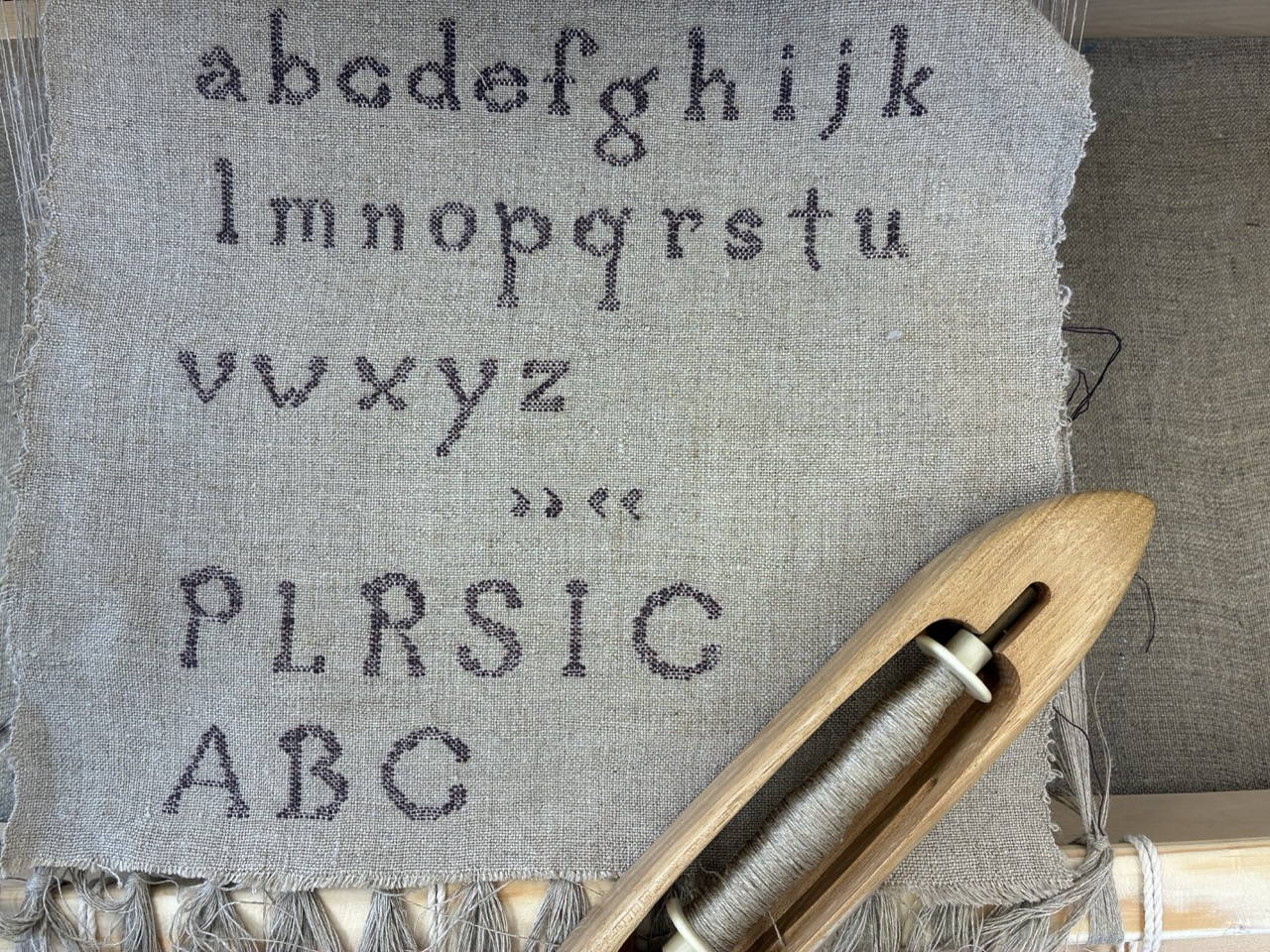
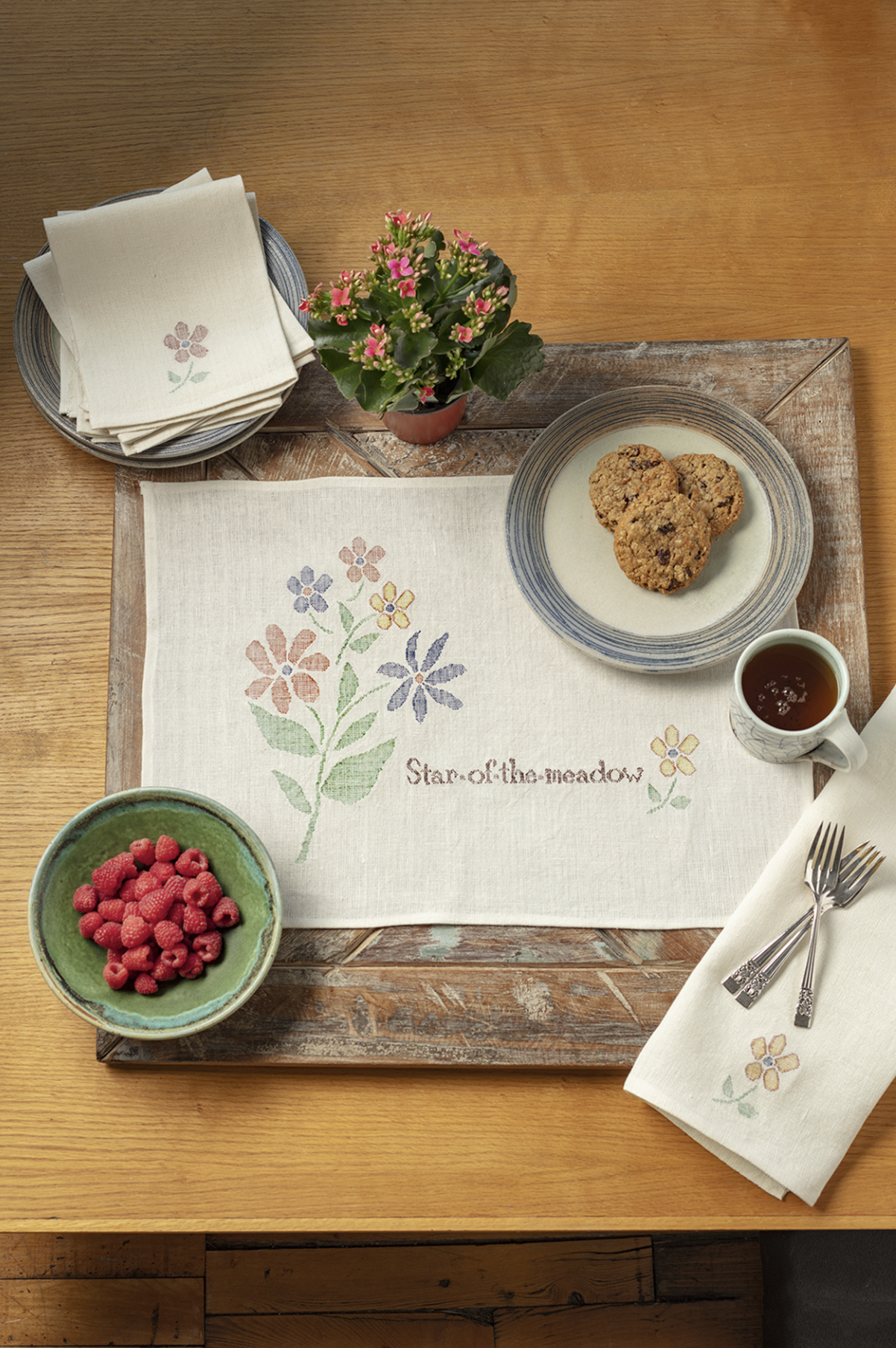
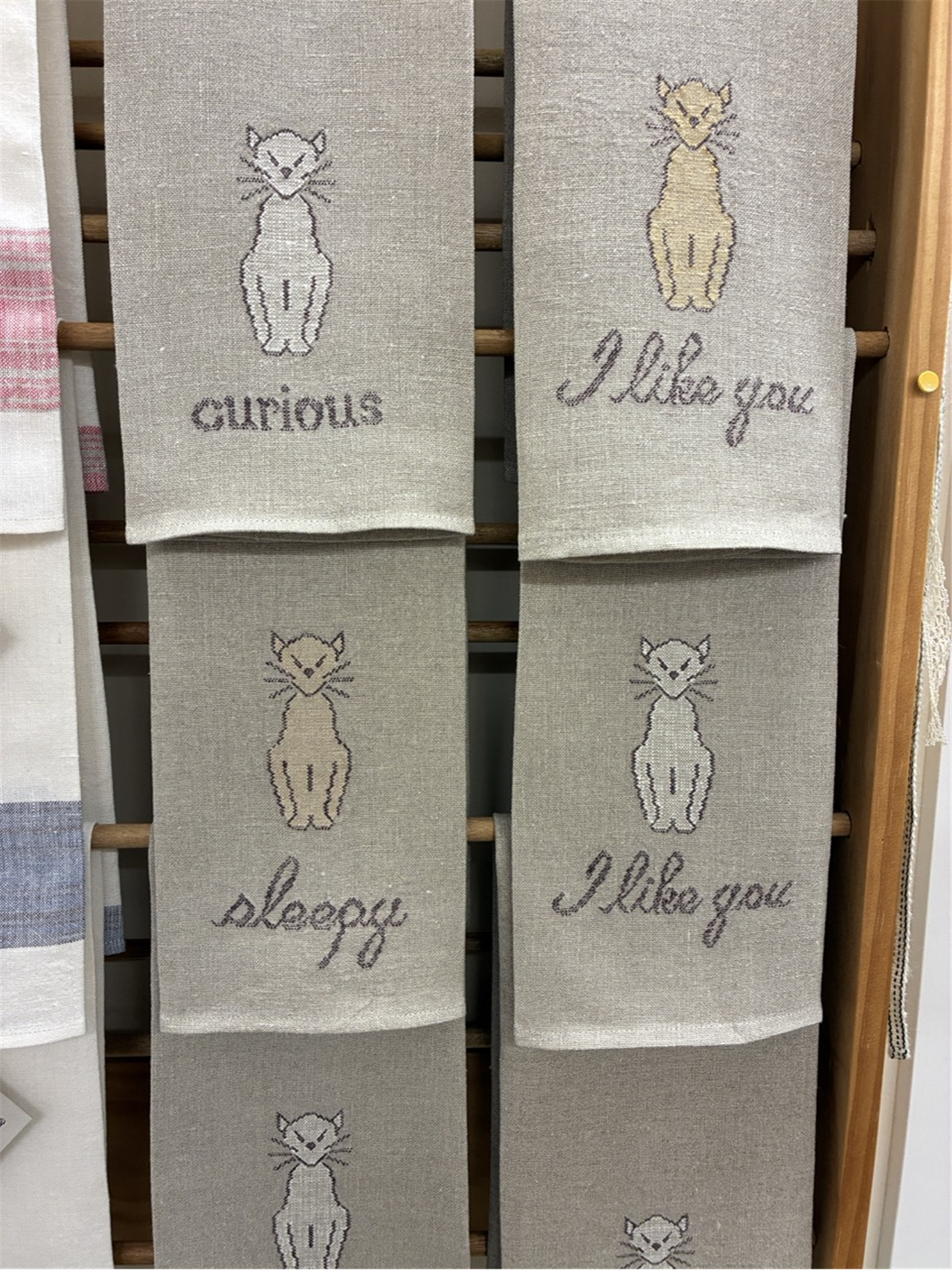
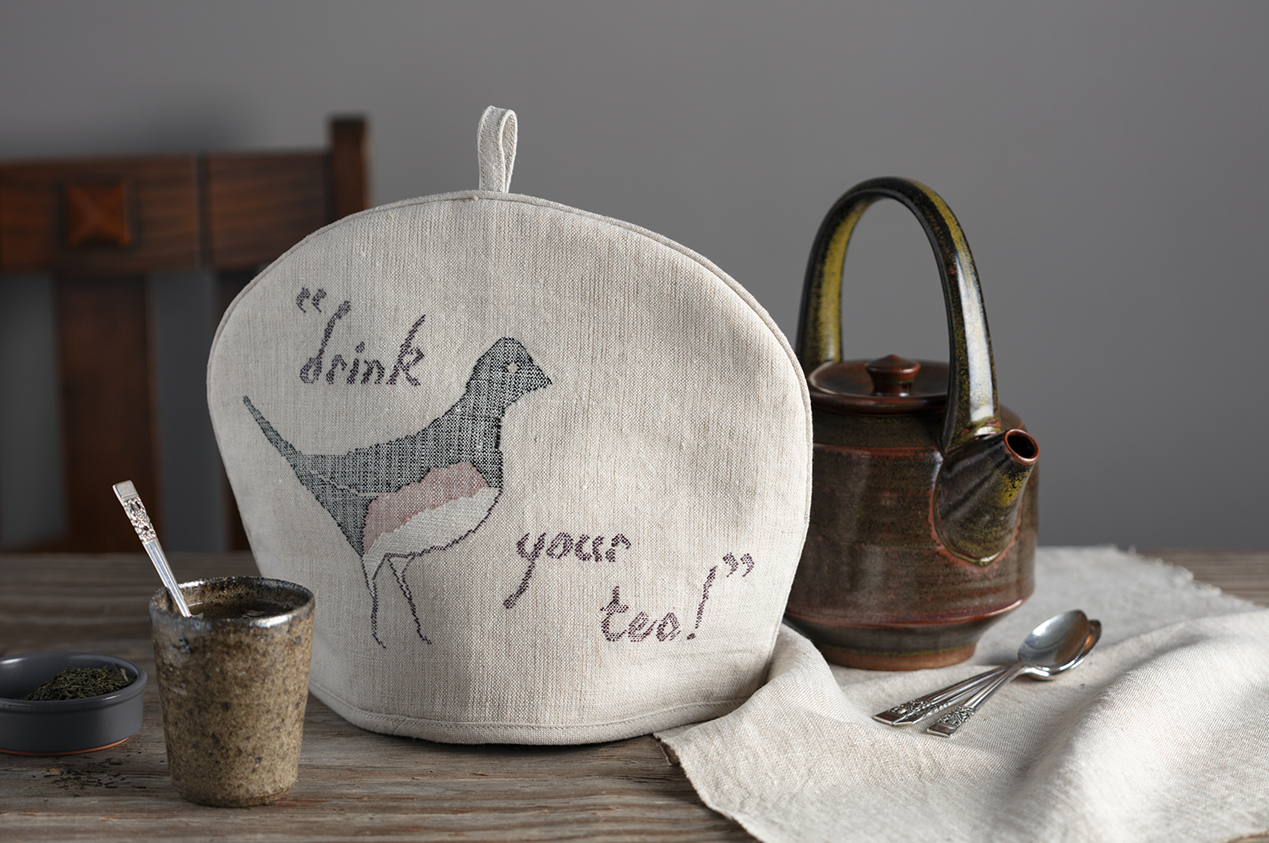
SN: Inlay is a traditional weaving technique that has existed for centuries in many cultures, and most weavers are familiar with the basic premise of using inlay to create patterns in cloth. Typically, such laid-in patterns consist of colorful, relatively simple shapes. My class at the Folk School will expand on this tradition by using words, phrases, and texts as the basis for the patterns to be laid-in the cloth. For weavers who are fascinated by words – the way they look, the way they sound, and the meanings they express – inlay provides a means to infuse their weaving with ideas drawn from areas such as calligraphy, poetry, printing, and storytelling.
JCCFS: What kind of project will students make in your class?
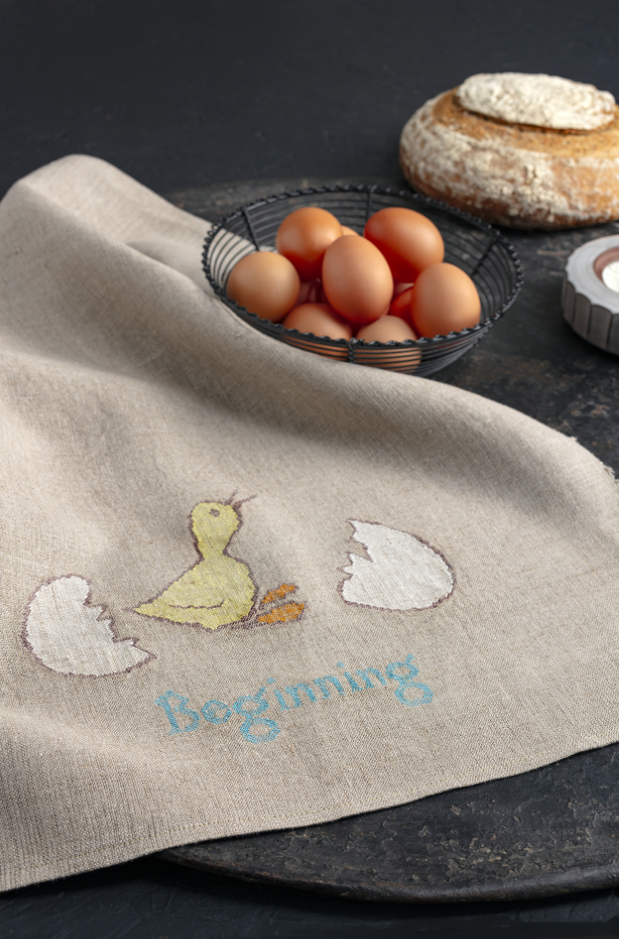
SN: In practical terms, each student will leave with a cotton dish towel that they have woven, decorated with an inlaid word (or words) that they have chosen themselves. More importantly, each student will gain skill using a traditional weaving technique in a novel way. I see this class as a “horizon expanding” experience for participants, one that will encourage students to explore new or unusual uses for other traditional techniques in the future.
JCCFS: Where do you draw inspiration from for your weaving work?
SN: Calligraphy, letterpress printing, and illustrated children’s books are key sources of inspiration for me. I spend time each day admiring examples of these things, lost in the beauty of the words and images on the page. I also admire storytellers and poets, and read poems and stories daily. As I weave, the process of laying-in words to cloth makes me feel part of the “tradition of words,” and I enjoy that feeling enormously.
JCCFS: What do you enjoy most about teaching?
SN: I love the energy in the classroom – the excitement of the students, the questions they ask, the sense of accomplishment they feel as they learn. I’m intrigued by the different ways that people learn, and I enjoy the process of finding ways to explain ideas and techniques that are understandable to everyone. To teach classes that are well organized and well-paced, and also interesting and informative for students, is very fulfilling.
JCCFS: This is the first class you’re teaching at the Folk School. What brought you here?
SN: The Folk School has a great reputation, and I know both former students as well as instructors who speak highly of the school and surrounding area. In addition, I’m attracted by the “folk school” model, and excited by the incredible variety of classes being offered. When I browse through the catalog, I see many classes I’d like to take myself!
JCCFS: What tips would you give an aspiring craftsperson?
SN: Make only what you love, what excites you, what you can’t stop looking at yourself. Other considerations – what will sell, what is it cost-effective to make, what someone else will like – are not important.
JCCFS: Where can folks find more of your work?
SN: At elamswidow.com and on Instagram at @scott.norris.weaver
Upcoming Class with Scott
Weaving with Words
June 21-27, 2026
Like cloth, written language can be found everywhere. Yet the intrinsic power of words–their ability to transcend basic “information sharing” to express ideas and convey sentiment–adds immeasurably to their appeal as patterns on the page. With the goal to inspire weavers to expand their repertoire of decorative approaches, this class will provide step-by-step instruction for using inlay to weave letters and words in cloth. Intermediate and above students welcome; should be able to warp and weave independently.
About Scott Norris
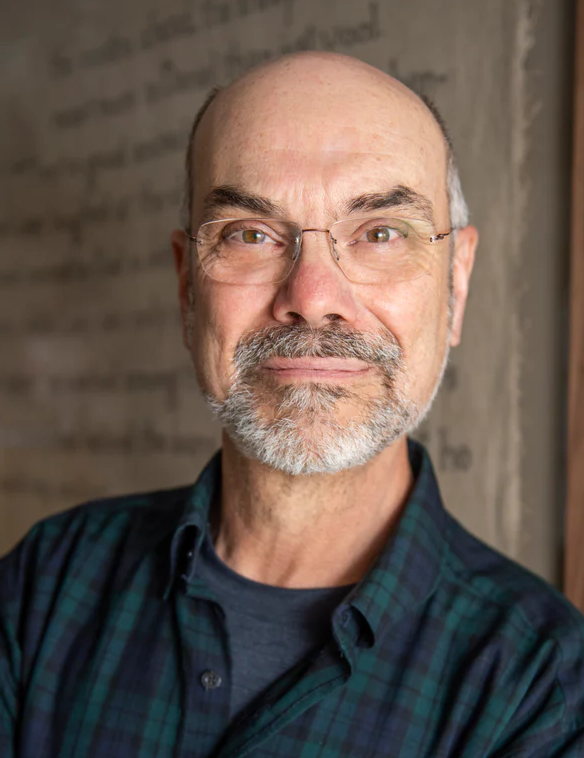
Although originally trained as a composer, with graduate degrees from Columbia and Brandeis Universities, Scott Norris has spent the past thirty-two years dyeing and weaving linen in his studio in Florence, Massachusetts. He has received Best In Show honors from the New England Weavers Seminar, and has published profiles, essays, and reviews in publications that include American Craft, Ceramics Art and Perception, and Ceramics Monthly. He is an experienced teacher of beginner, intermediate, and advanced weavers, and a frequent guest lecturer and workshop leader for weaving guilds throughout New England and upstate New York. He is a member of Working Weavers, a cooperative that organizes and promotes annual studio sales (workingweavers.com), while also holding his own individual studio sale events. In recent years, his output has evolved from the production of functional household items such as tablecloths, dishtowels, and bath towels to the development of panels and smaller pieces.
No Comments