

10 Feb Learning Appalachian Music at the Folk School: Fiddle, Banjo, and Mountain Dulcimer
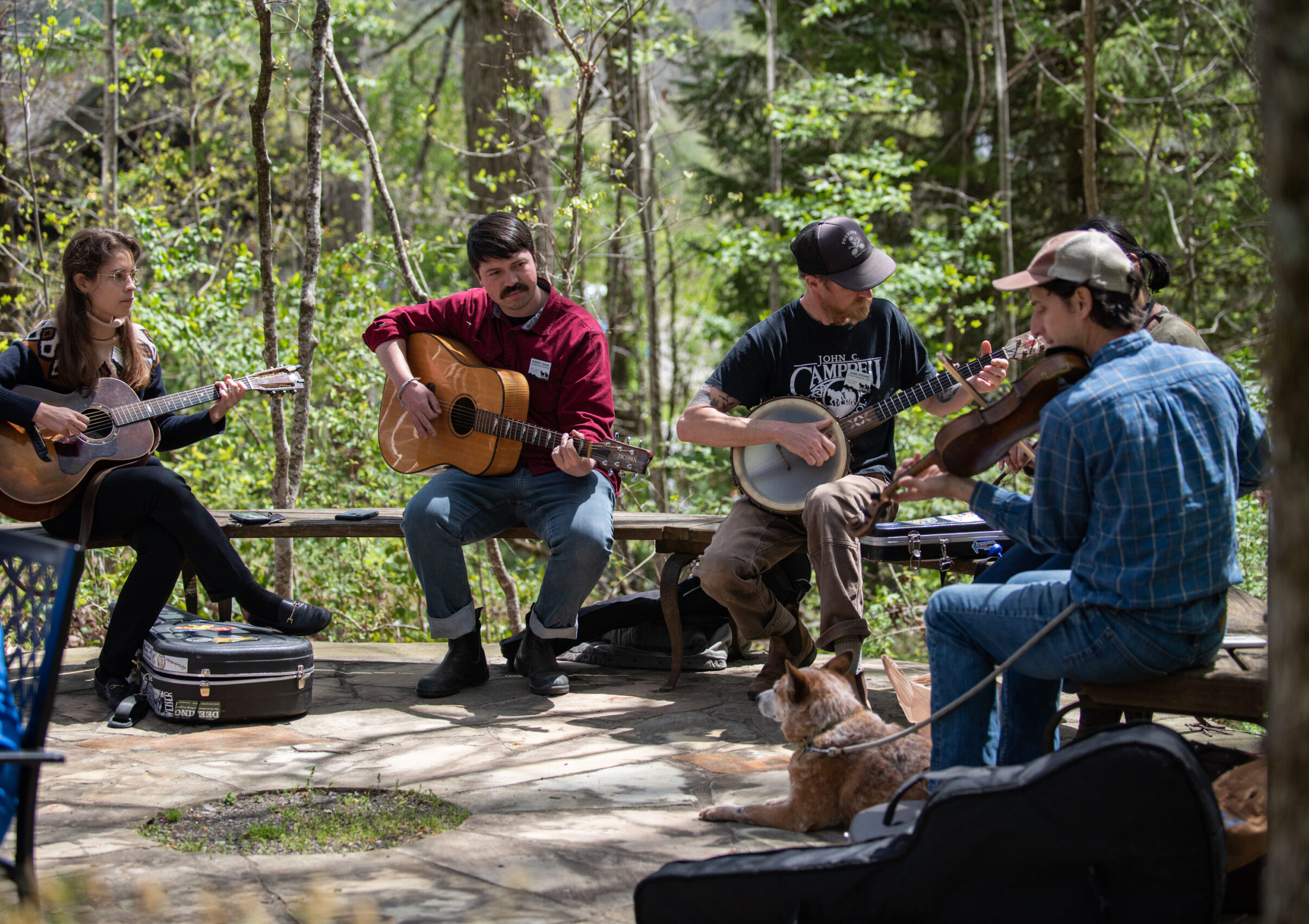
For centuries, Appalachian music has carried stories through the mountains. The clear tones of a fiddle, the steady rhythm of a banjo, and the bright sound of a dulcimer come together in music that has been part of these mountains for generations.
At the John C. Campbell Folk School, Appalachian music comes alive through active participation and community learning. Our campus in the North Carolina mountains has been a home for traditional music education since 1925, welcoming students of all skill levels who want to connect with these timeless traditions. Whether you’ve never picked up an instrument or you’re looking to deepen your skills, our music classes offer a supportive environment where learning happens naturally.
The Fiddle: Heart of the Mountain Sound
The fiddle has been the heartbeat of Appalachian folk music for centuries. Brought to the region by European settlers in the 1700s, it became a staple of community gatherings, dances, and storytelling traditions. Over time, Appalachian fiddling absorbed influences from African American musicians and local playing styles, shaping the distinct sound now associated with old-time music.
Beginner fiddle lessons welcome complete newcomers to the instrument, and advanced classes explore ornamentation, improvisation, and regional styles. Students gradually build skills through:
- Playing by Ear: This traditional approach teaches students how mountain musicians have passed down tunes for generations without written music.
- Learning Essential Bowing Patterns: Mastering the rhythms and bow strokes gives Appalachian fiddle its distinctive sound.
- Studying Classic Repertoire: Students develop an understanding of old-time music through timeless tunes such as “Soldier’s Joy” and “Cluck Old Hen.”
- Participating in Community Practice: Music classes and youth programs build confidence and musicianship alongside fellow learners.
At its core, Appalachian fiddling is about bringing people together. Through shared tunes, group learning, and live performance, students experience how music is passed along as a social tradition, not just a technical skill.


The Banjo: America’s Original Instrument
- The banjo’s journey to Appalachia tells a powerful story of cultural exchange. African traditions met European musical styles in the mountains, and the banjo emerged as a cornerstone of the region’s musical identity. Today, you’ll hear the banjo’s unmistakable voice everywhere from front porch jam sessions to concert halls, making it one of the most essential instruments in traditional mountain music.Intermediate and beginner banjo lessons often cover:
- Proper Hand Position: Learning correct form and basic strumming techniques helps students make music from day one.
- Clawhammer Style: Clawhammer banjo lessons teach the downstroke approach favored in old-time music and Appalachian traditions.
- Three-Finger Picking: This technique explores the patterns used in bluegrass and other contemporary styles.
Students often find joy in creating their own instruments in the woodworking studio. Playing music on a banjo they built themselves adds a unique and personal satisfaction to the experience.


The Mountain Dulcimer: Appalachia’s Sweet Voice
The mountain dulcimer holds a special place in Appalachian musical tradition. It originated in the early 19th century, likely influenced by European fretted zithers brought by immigrants. Over time, the instrument became a staple of Appalachian homes and gatherings, valued for its sweet, melodic sound and ease of playing.
Many students choose the dulcimer as their first stringed instrument due to its beginner-friendly design. Classes typically cover:
- Traditional Techniques: Noter and drone styles create rich, haunting sounds with just a few strings and minimal complexity.
- Call and Response: Students learn to play tunes in a conversational style, echoing melodies and rhythms between instructor and group to build timing and listening skills.
- Ensemble Playing: Students practice playing with others, developing timing, harmony, and the collaborative skills that bring Appalachian music to life in group settings.
Dulcimer classes range from absolute beginner to advanced techniques. Students learn traditional Appalachian ballads, dance tunes, and hymns that have been played on these mountains for generations.


Your Musical Journey Awaits
Learning traditional mountain music connects you to something larger than yourself. Every tune you master carries the voices of countless musicians who played it before you. Every jam session weaves you deeper into a living, breathing musical community.The Folk School provides more than just instruction. You’ll find yourself part of a supportive community where music happens everywhere: in the studios during class, on front porches between sessions, and at our events. Our non-competitive learning environment means you can focus on the pure joy of making music. Whether you dream of playing fiddle tunes by the campfire, joining a local old-time band, or simply exploring a new creative outlet, your journey starts here in the mountains where this music was born.
About the John C. Campbell Folk School
For 100 years, our mission has been to transform lives by bringing people together in a nurturing environment for experiences in learning and community life that spark self-discovery. We believe in the power of non-competitive, hands-on learning across more than 50 craft and art disciplines. From blacksmithing to basketry, music to woodworking, we create space for joy, kindness, and lifelong growth. Every year, we welcome over 6,000 students and 100,000 visitors to our historic campus in Brasstown, North Carolina.
Ready to discover something new? Find a class that speaks to you, or support our mission with a donation to help keep traditional crafts and community learning alive for generations to come.

No Comments