

15 Apr Volunteers Hammer Away at Requests for Blacksmith Work Week
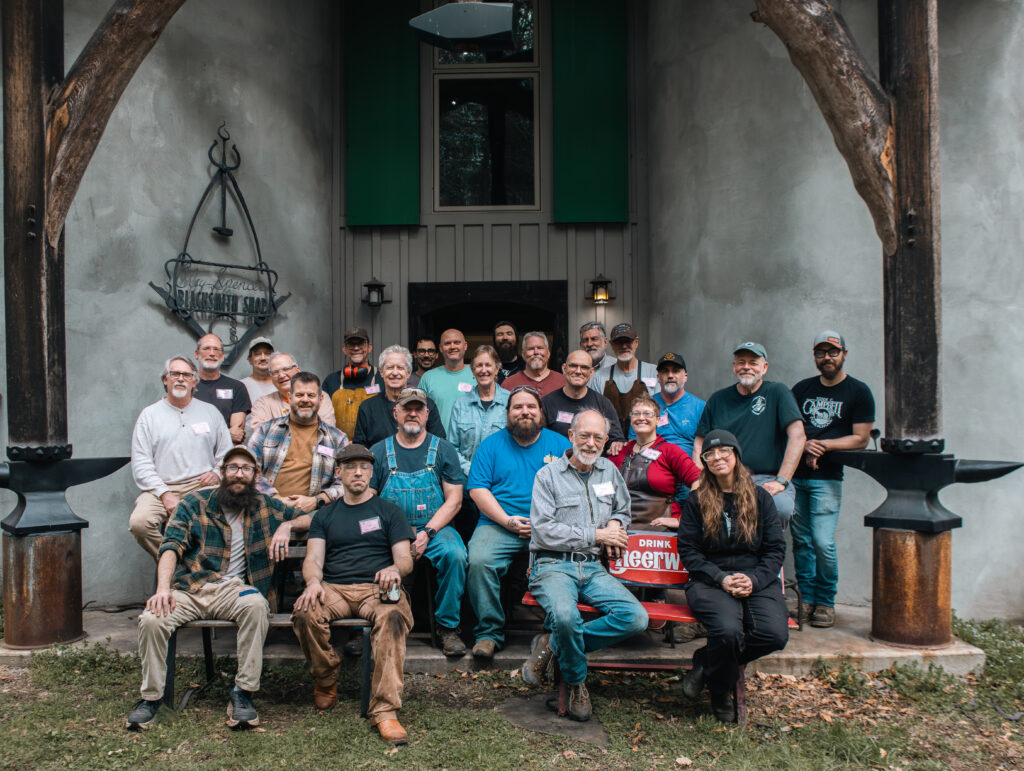
Past the Keith House and Festival Barn, beyond the chirping crickets of Orchard House, a quiet Sunday evening comes alive with the quick grazing of work boots on cement. A gentle glow emanates from the paned windows of the Clay Spencer Blacksmith Shop as 27 hardworking blacksmith volunteers settle in for Blacksmith Work Week, offering their skill and expertise to the needs of those around campus.
Blacksmith Work Week is a longstanding tradition at the Folk School, established in 1993 and carried in the hearts and soot-covered hands of many volunteers ever since. Julie Clark is one of them; she is a former board member and longtime Work Week participant of over 20 years, finding her passion for forging in her youth and serving as a farrier for 15 years.
“My first Blacksmith Work Week, Karen Rudolf was the resident blacksmith, and she was there from 2002 to 2004,” Clark said. “Looking back, I have so many wonderful memories. Every week, there hasn’t been one I haven’t walked away with a good feeling.”
Clark’s first Work Week was in 2002, and she has contributed to many of the iconic hand-made collaborative projects that make campus what it is today. From the beautiful red railing near the Dining Hall, to the arms of the lantern towers illuminating Folk School Road, her legacy of service, along with forging peers of the past, embeds craftsmanship and beauty into the landscape.
“Having been going for so many years and taking so many blacksmithing classes, it’s just so gratifying. You’re interested in a craft, and you get to spend a week where your entire world disappears except whatever it is you’re working on, and you’re in the company of other craftsmen that are sharing your love of that craft,” Clark said.
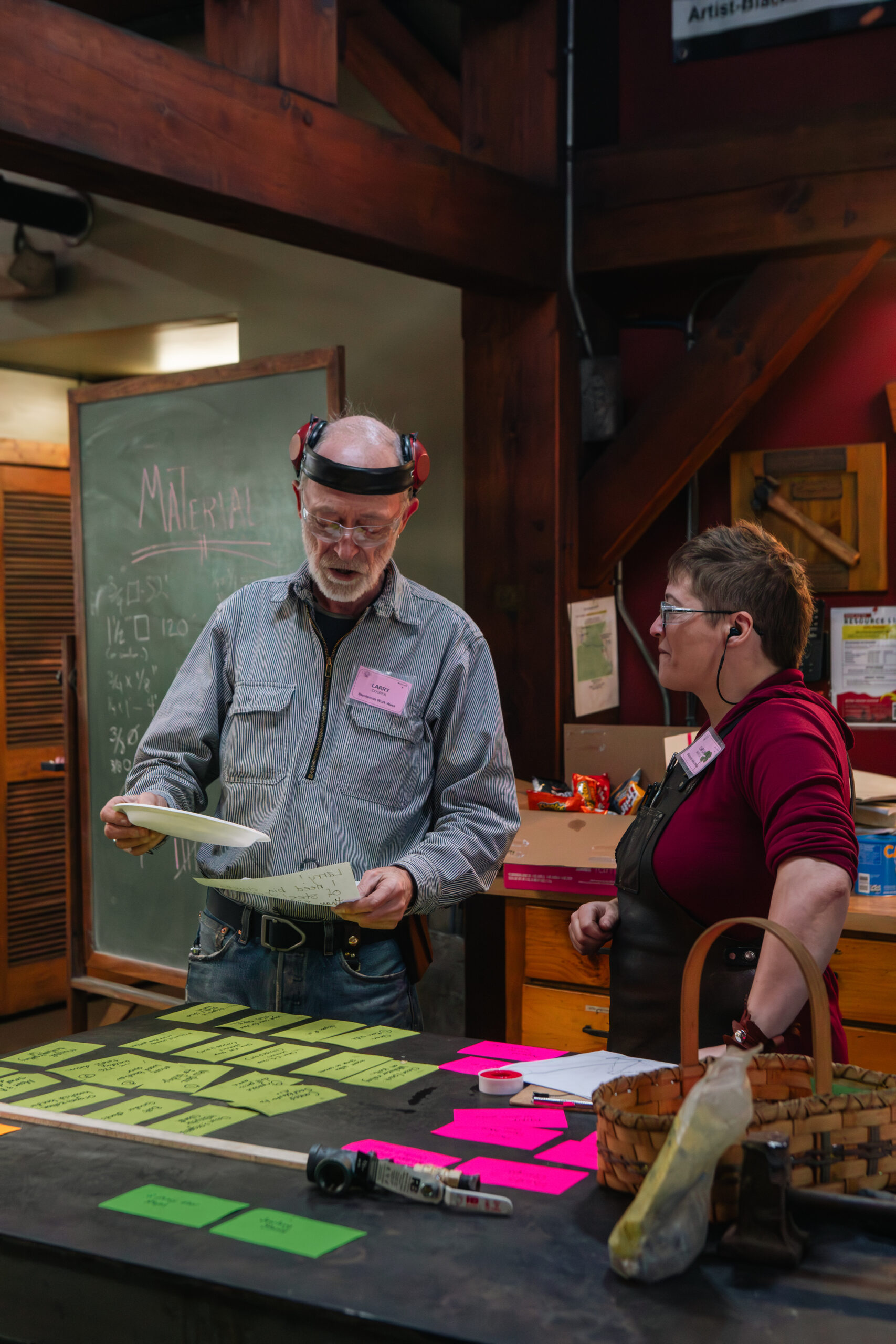
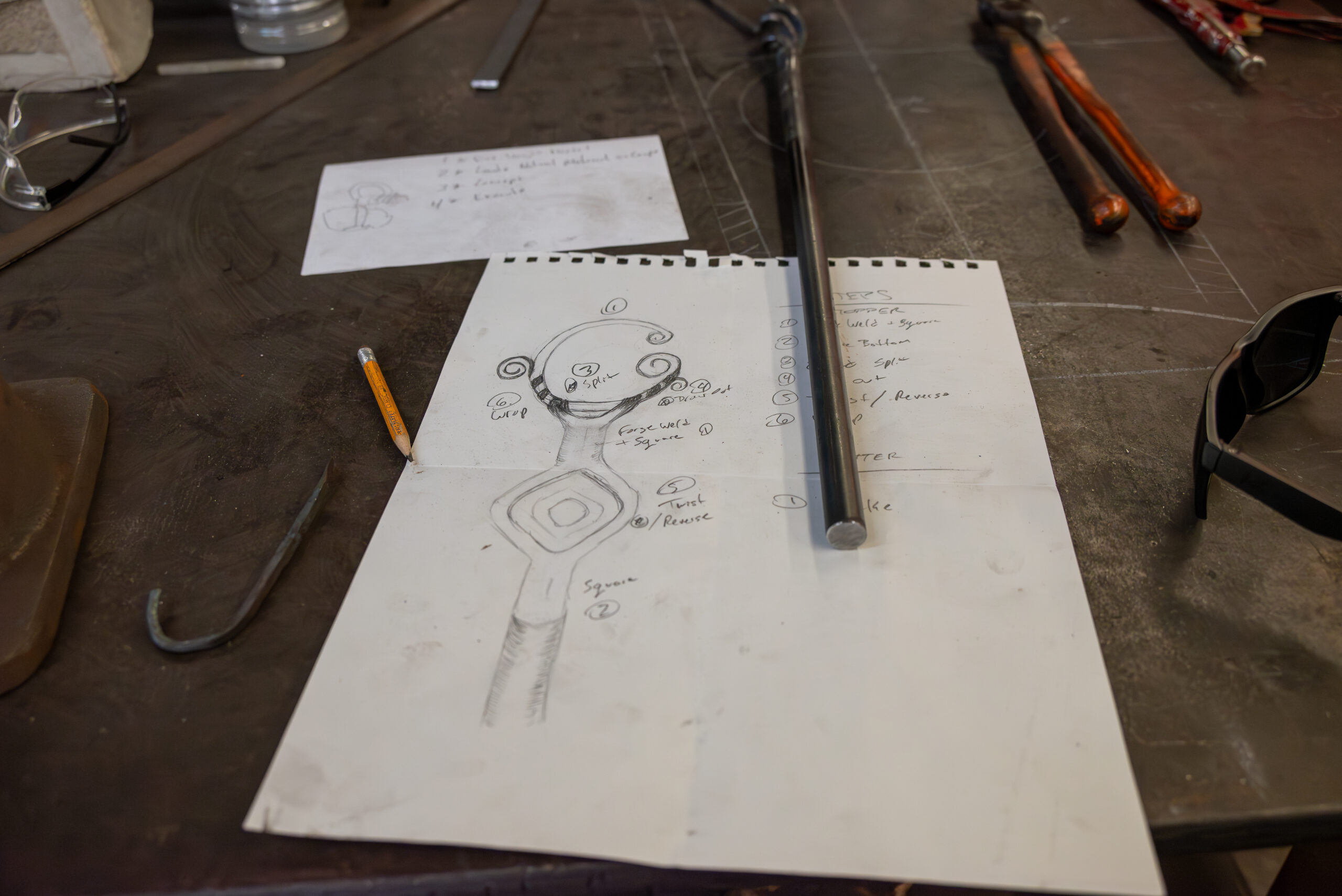
Inside the Blacksmith Shop during Work Week, the dense smell of red-hot iron wafts from forges and workstations. Near the front of the room, neon index cards lay scattered across a workbench surface, each displaying a handwritten request for the volunteers to fulfill.
“Everybody who participates in Work Week will say it’s one of their favorite weeks out of the year. I think it’s just because everybody’s there working on things not for themselves, but for the school. So, there’s a lot of teamwork involved with Blacksmith Work Week.”
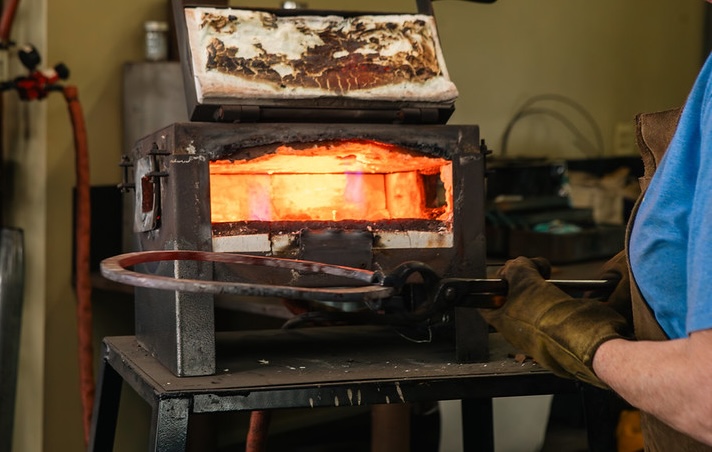
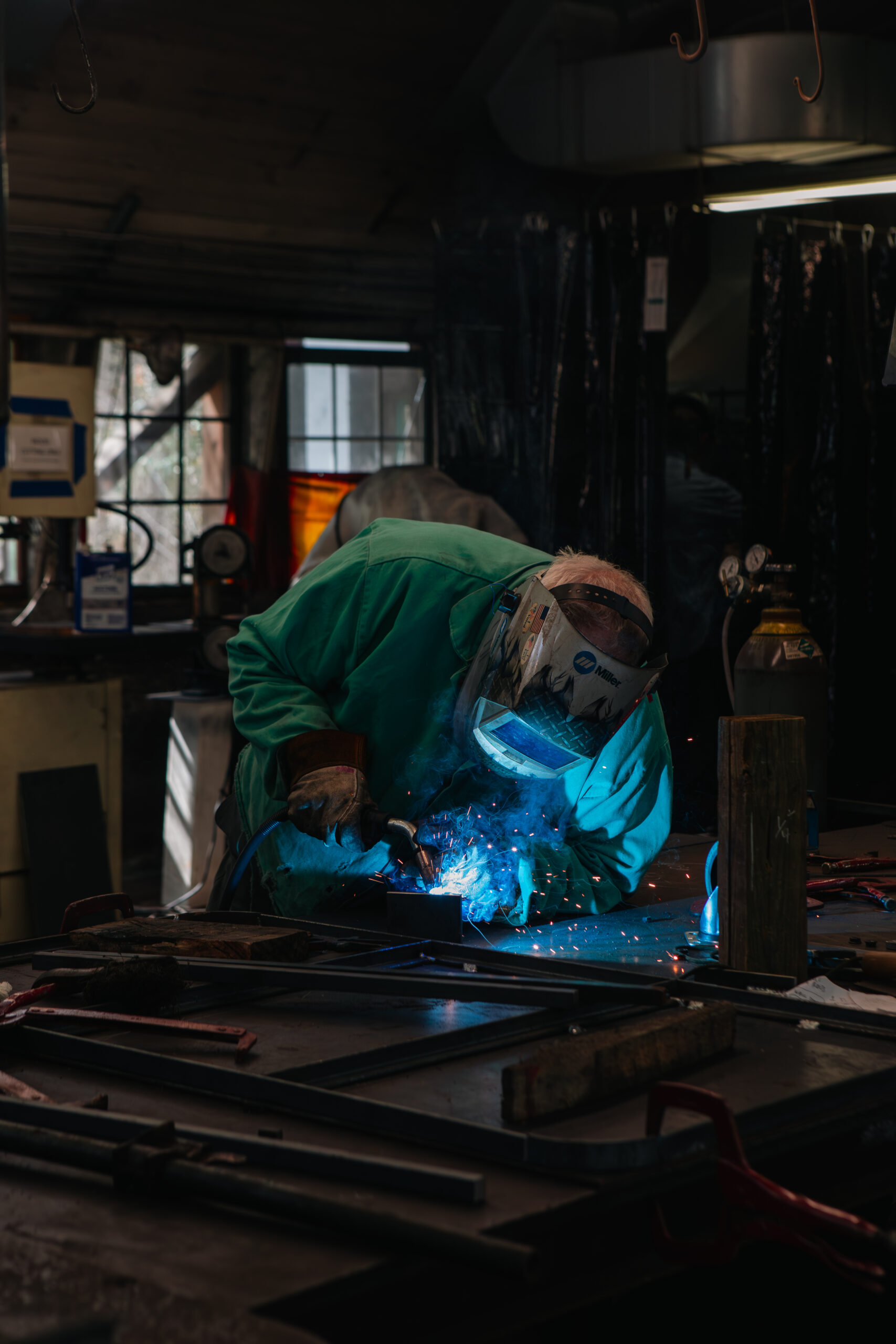
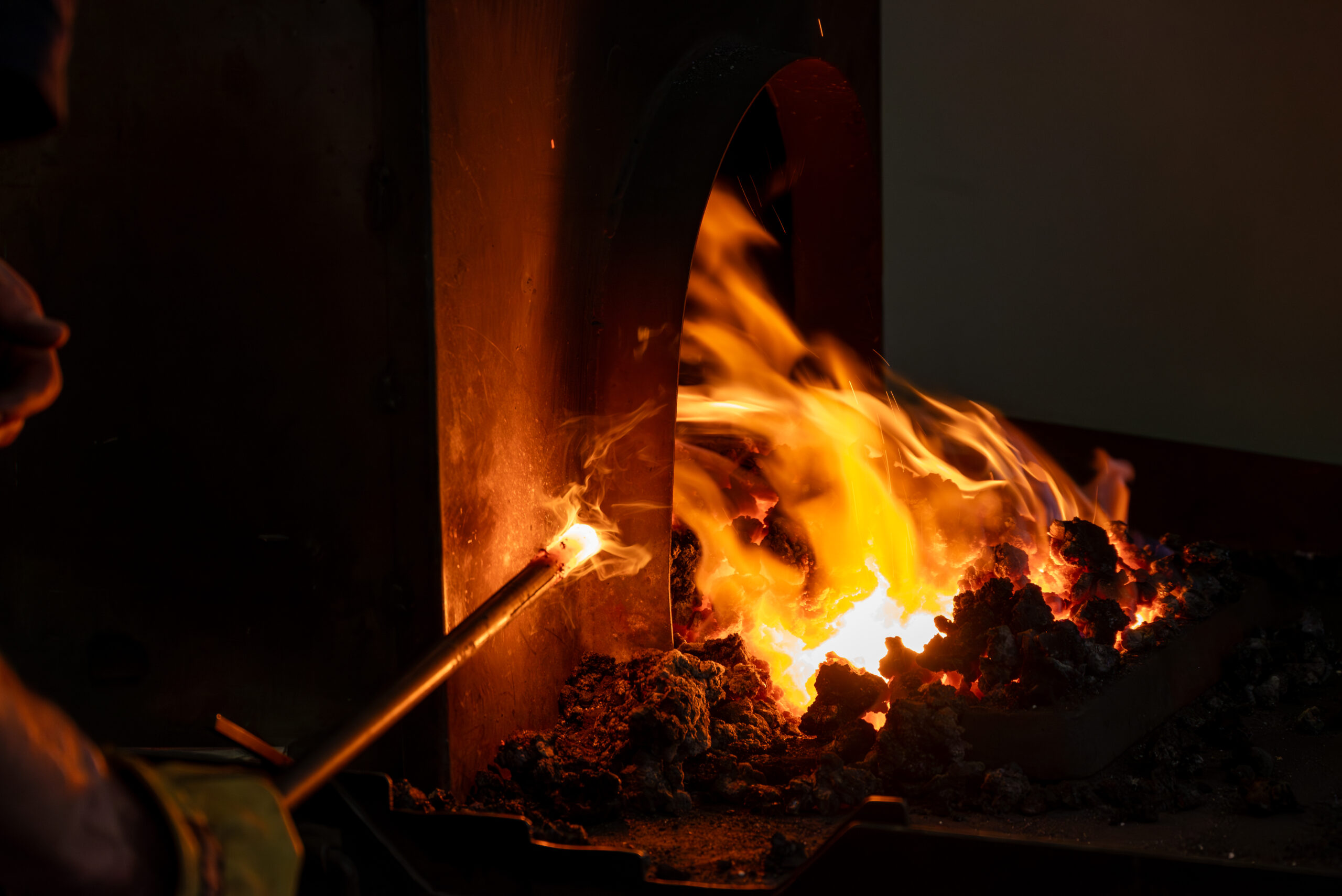
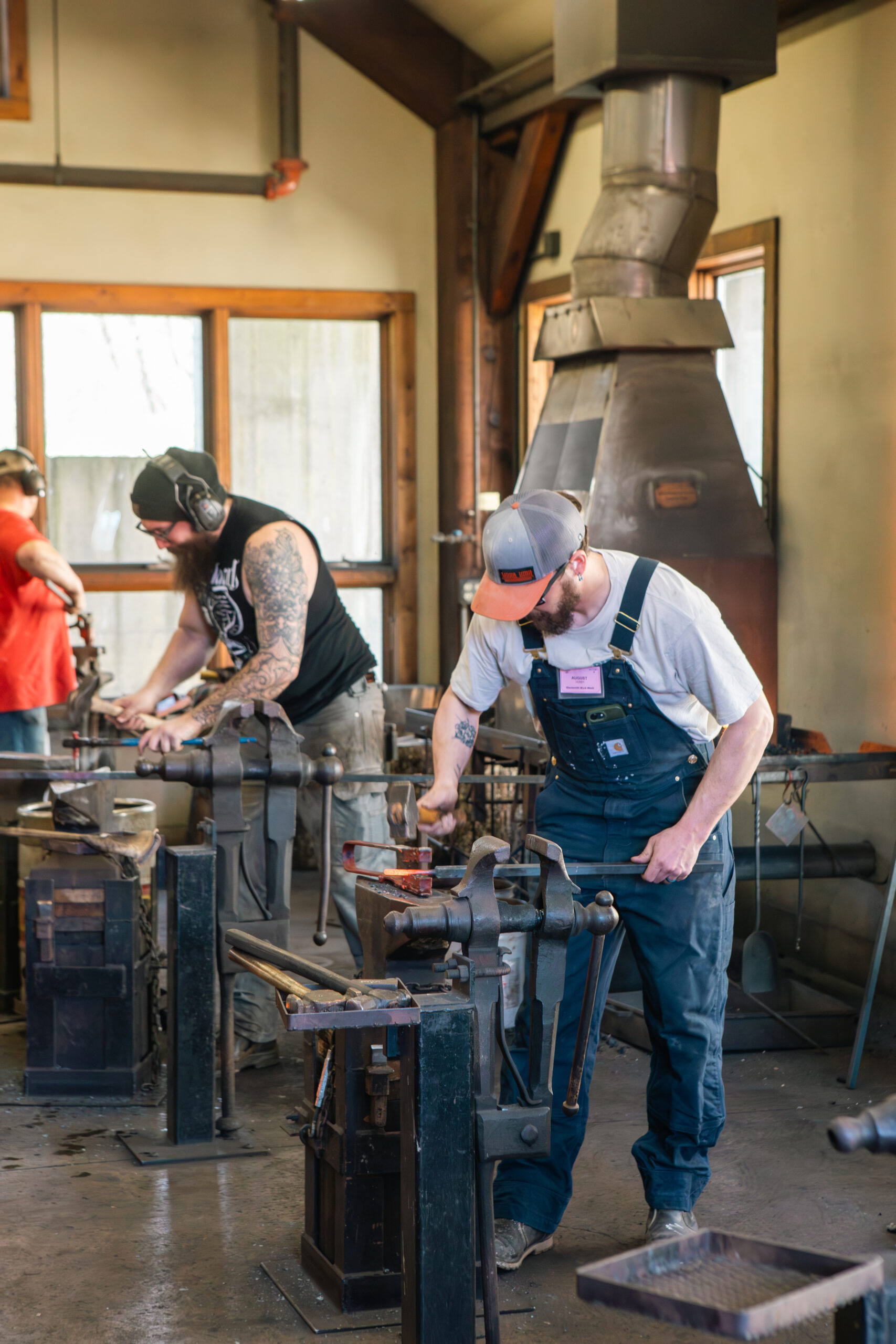
Warm and luminous, roaring-hot fire glistens with flickering plumes of red and yellow from each workstation. Each manned by dedicated craftspeople hammering, measuring, and powdered with ash and soot.
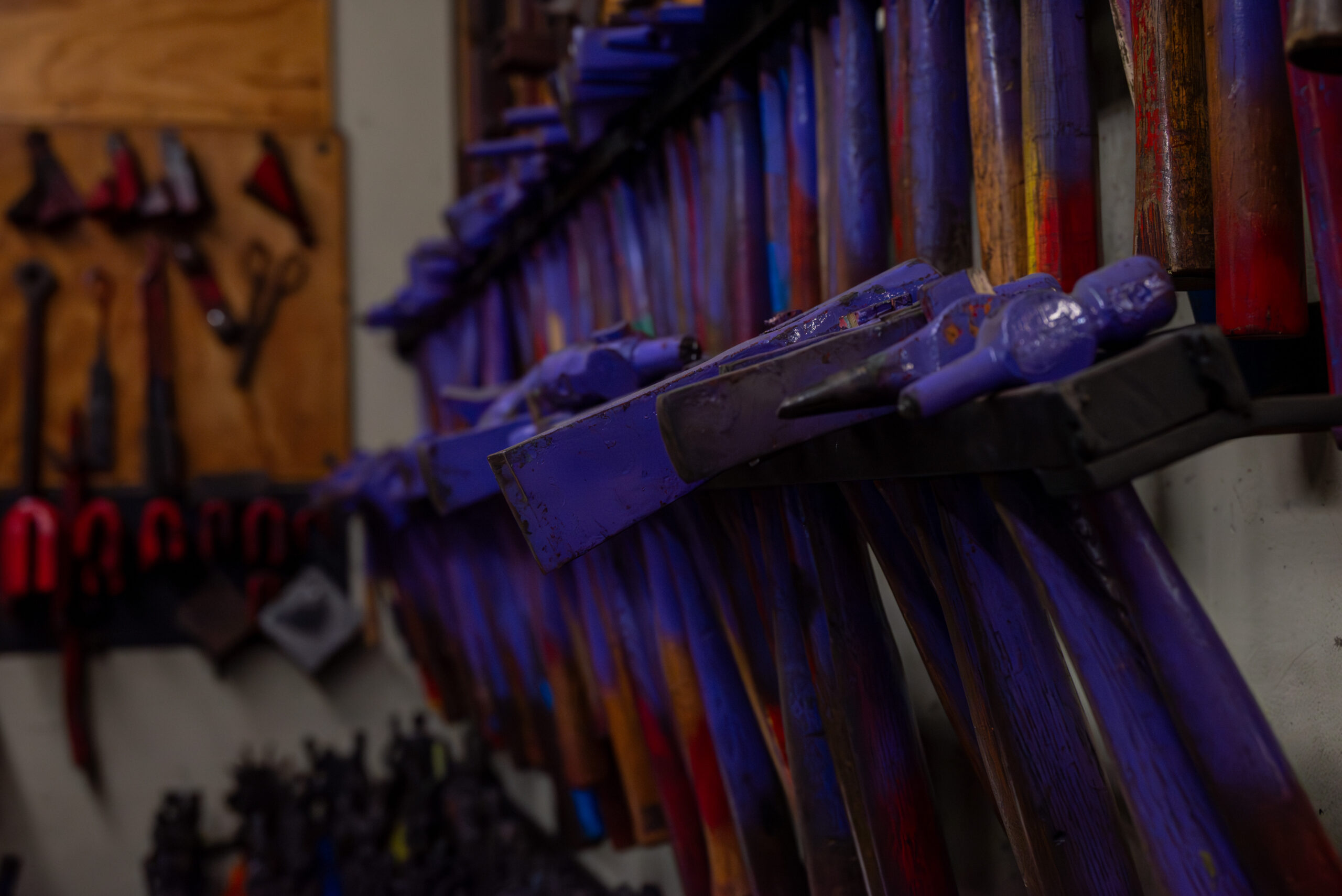
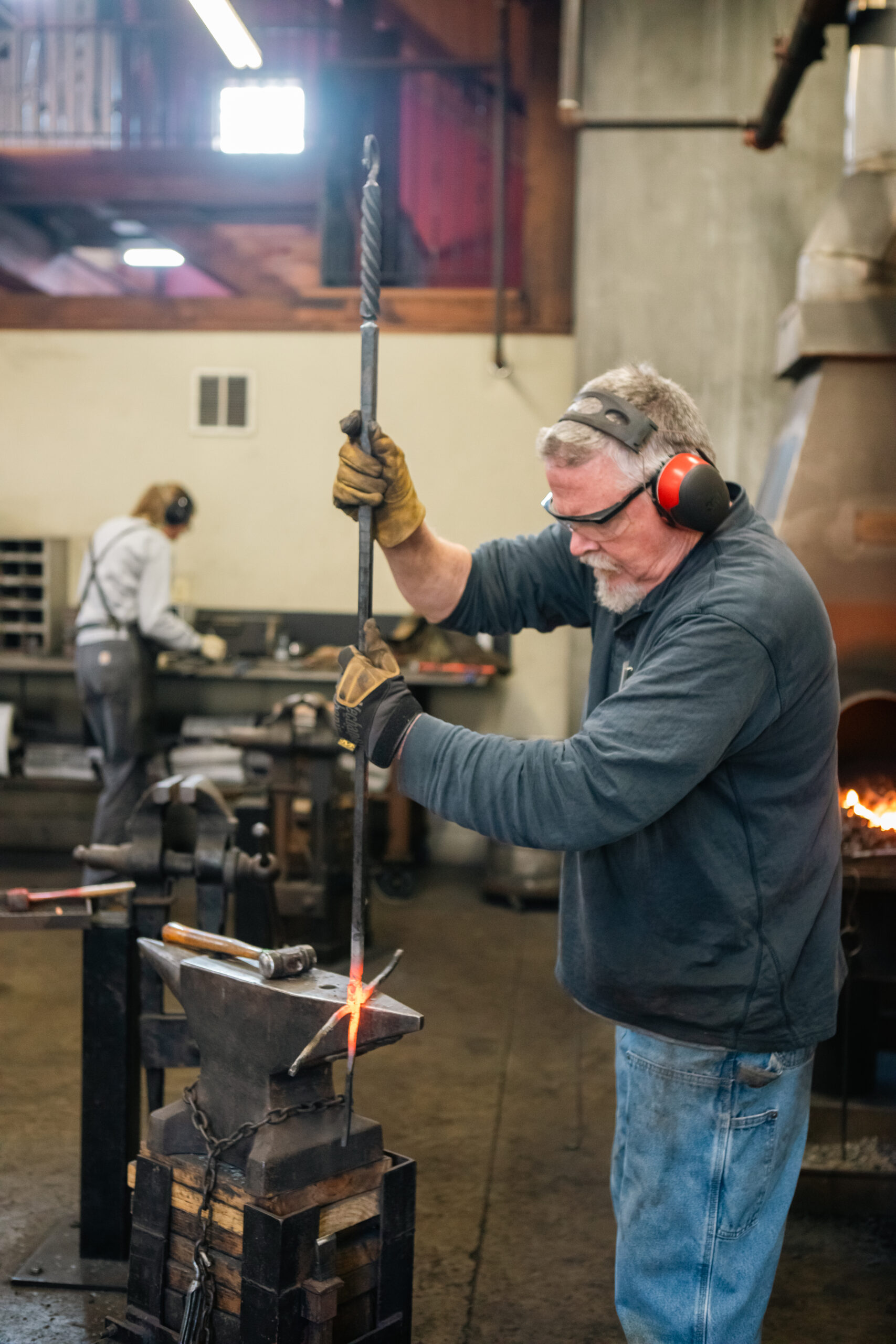
“One of the things about the blacksmith’s shop is, it takes a beating over a course of a year. Every piece of equipment is sensitive, and all the hammers, tongs, all the things that students use every single day, 50 weeks out of the year, they really take a beating,” Clark said. “So, one of the things that’s done during Work Week, is the tongs are tweaked, hammers have new handles put in them and equipment that maybe is off-kilter is fixed.”
Clark and her peers work together with unwavering concentration, manipulating near-molten metal with the rhythmic swing of a hammer. Metalwork sits in a red-hot bed of coal until prime for shaping, resting in front of a roaring flame. Each workstation is a bounty of creative possibility, brought to life with skill and emblazoned determination.
“Every single person in that shop last week has this level of modesty, which is so beautiful, and everyone walks around at some point towards the end of the week to say, ‘What are you working on?’” Clark said. “Everybody is so kind, supportive and encouraging with whatever it is that you’ve worked on. It’s so heartwarming to me.”
It’s not just skillful metalwork that goes into this week of service; the collection of blacksmiths takes on other campus improvements as well. From the bellowing smokestacks of the Blacksmith Shop to the tranquil garden beds, volunteers scrubbed and repainted doors and windowsills, even refinishing select benches and entryways.
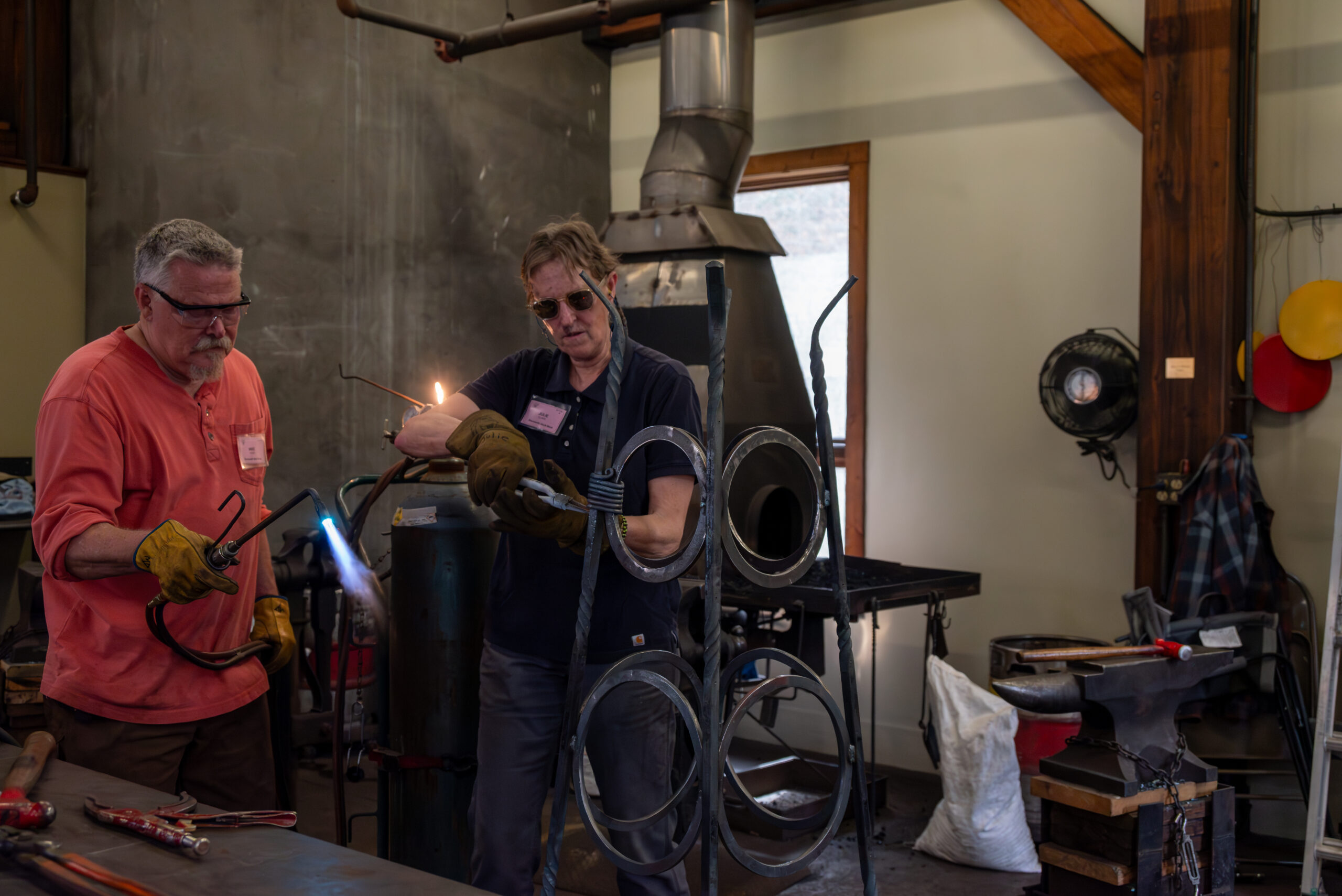
“This last project, this past week that Mike Dixon and I worked on. We made this sculpture for the Dye Garden,” Clark said. “We both left and said, ‘Okay, this could go down as our favorite one,’ because that project, we just loved making it so much. It meant so much to the Dye Garden, Martha Owens, everybody. We really enjoyed that.”
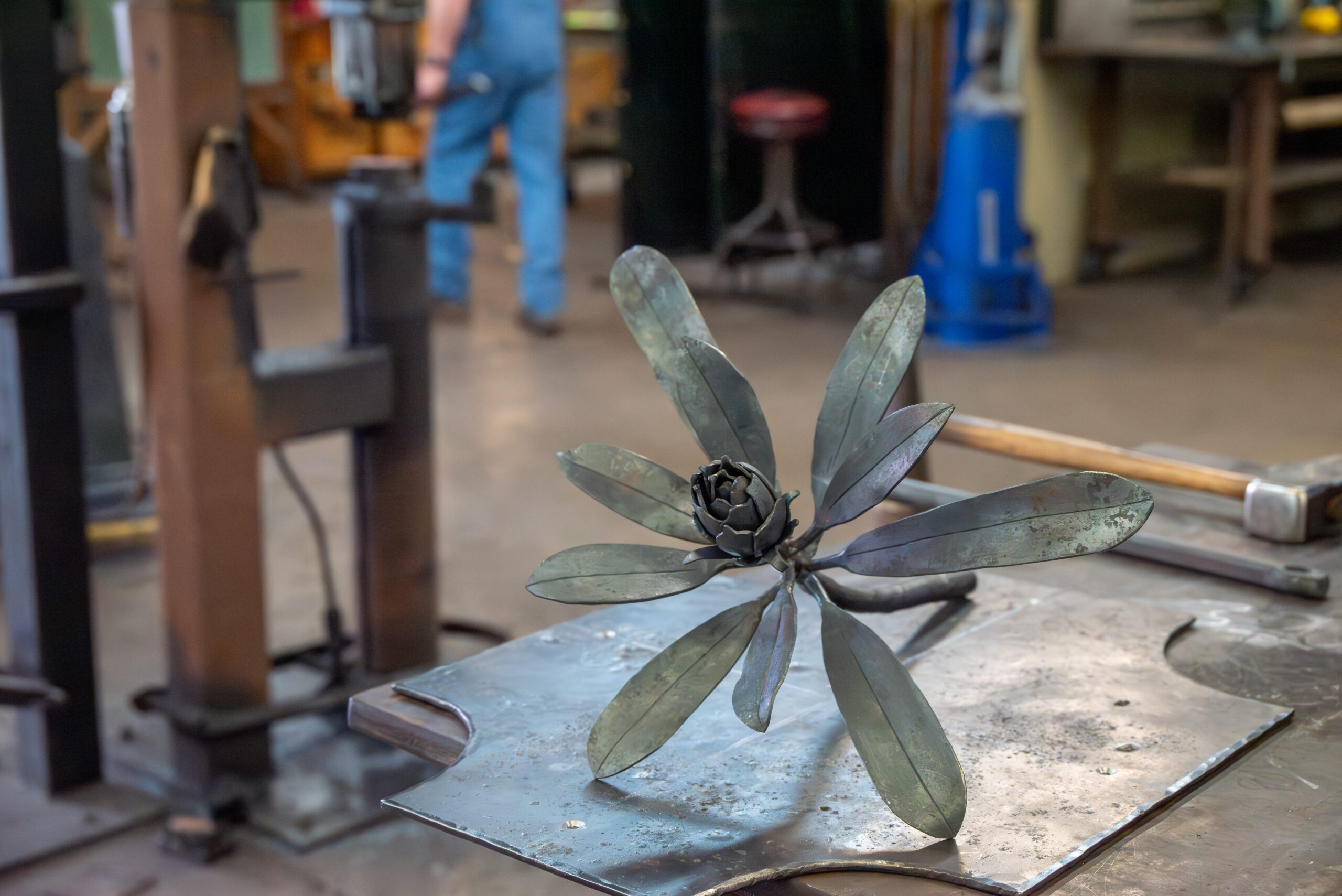
Now, the dye garden gains a new ironwork centerpiece, dutifully crafted with iron curled into perfect circles, forming the base in an ornamental sculpture. In the History Center, a steel rhododendron sprouts from an office wall, accompanied by right-angle shelves, masterfully affixed with perfect even welds.
“These people are taking time out of their life to come up to the Folk School and volunteer their time for a week in that shop, doing whatever task that, you know, they’re given, without any competitiveness or anything like that, so it’s wonderful,” Clark said.
At the end of the week, campus is rejuvenated by the laborious contributions of the men and women who dedicate their time and effort to this annual week of service. Newly polished shelves and angular rivets find homes across campus, granting quiet beauty to the classrooms and common areas shared by the Folk School community, embedding another year of Blacksmith Work Week into the legacy and landscape of campus.
No Comments