

12 Nov National Native American Heritage Month: Honoring Indigenous Craft Traditions and Knowledge
Key Takeaways
- Honor living cultures: Native American Heritage Month celebrates Indigenous cultures, histories, and contributions, including living craft traditions.
- Preserve traditional knowledge: Indigenous crafts carry generations of knowledge about materials, ecosystems, and cultural practices.
- Recognize the history: Assimilation policies disrupted the transmission of Native languages, crafts, and other traditions between generations.
- Support revitalization: Native artists, elders, and organizations are actively preserving and teaching traditional crafts to younger generations.
- Learn beyond November: Respect for Indigenous art, history, and knowledge deserves ongoing attention and support year-round.
What National Native American Heritage Month Honors
Every November, the country marks Native American Heritage Month, a time set aside to recognize the cultures, histories, and contributions of Indigenous peoples across North America. It’s also known as American Indian Heritage Month or Indigenous Peoples Month, depending on where you look, but the purpose stays the same. It’s a chance to learn, to listen, and to honor traditions that have shaped this continent for thousands of years.
These traditions are not relics of the past; they’re living cultures, carried forward by Native communities today. From weaving and beadwork to pottery, carving, and other forms of craftsmanship, generations have preserved and adapted these traditions despite the historical and ongoing threats to Indigenous communities and cultural practices.
Craft as a Living Form of Indigenous Knowledge
For many Native communities, craft was never just decoration. A basket, a woven textile, or a piece of pottery carried practical knowledge about local plants, seasons, and land. Making something by hand meant understanding the environment well enough to work with it.
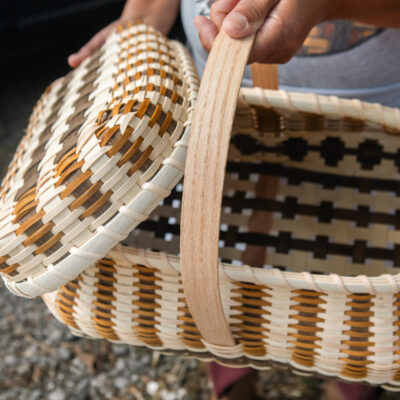
Take Native American basketry, for example. Materials like rivercane, oak splits, and sweetgrass all require knowing exactly when and how to harvest them without damaging the source. That kind of know-how is a form of traditional ecological knowledge, built over centuries of close observation. It’s the same spirit of hands-on learning you’ll find in basketry classes today, in which students work with natural materials under the guidance of skilled makers.
The Threat to Traditional Craft Knowledge
That knowledge almost didn’t survive. Federal assimilation policies, especially the boarding school system, actively punished Native children for speaking their languages or practicing traditional skills. The result was a break in the chain of teaching between generations, a history documented by the National Native American Boarding School Healing Coalition.
When craft knowledge skips a generation, it can mean losing other pieces of cultural knowledge with it:
- Language connections: Many craft terms and techniques are tied directly to Native languages, so losing one often means losing pieces of the other.
- Ecological memory: Traditional harvesting and material knowledge fades when there’s no one left to teach where and how to gather responsibly.
- Cultural identity: Objects like baskets and textiles often carry family and tribal history, so their loss weakens a tangible link to ancestors.
Storytelling and oral tradition play a role here too. A lot of craft knowledge was never written down. It lived in spoken instruction, passed from teacher to student, which is part of why oral tradition and folklore remain such vital fields of study today.
How Craft Traditions Are Being Preserved and Passed Down Today
Today, Native artists and cultural practitioners are keeping traditional crafts alive by teaching them directly to younger generations. That can mean learning side by side with an elder, practicing traditional techniques, or studying the plants and natural materials that make a particular craft possible.
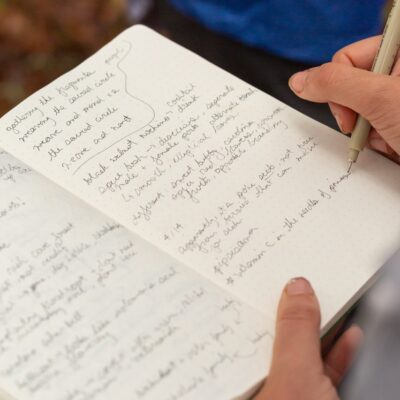
Technology is also becoming part of cultural heritage preservation. Artists and communities are documenting techniques, stories, and material knowledge in photographs, recordings, digital archives, and other formats, creating resources that can support teaching without replacing hands-on learning.
Just as importantly, these traditions continue to evolve. Contemporary Native artists are finding new ways to practice traditional crafts, tell their communities’ stories, and connect younger people with their cultural heritage. The goal is not simply to preserve traditions from the past, but to keep them alive.
Carrying Indigenous Craft Knowledge Forward at the Folk School
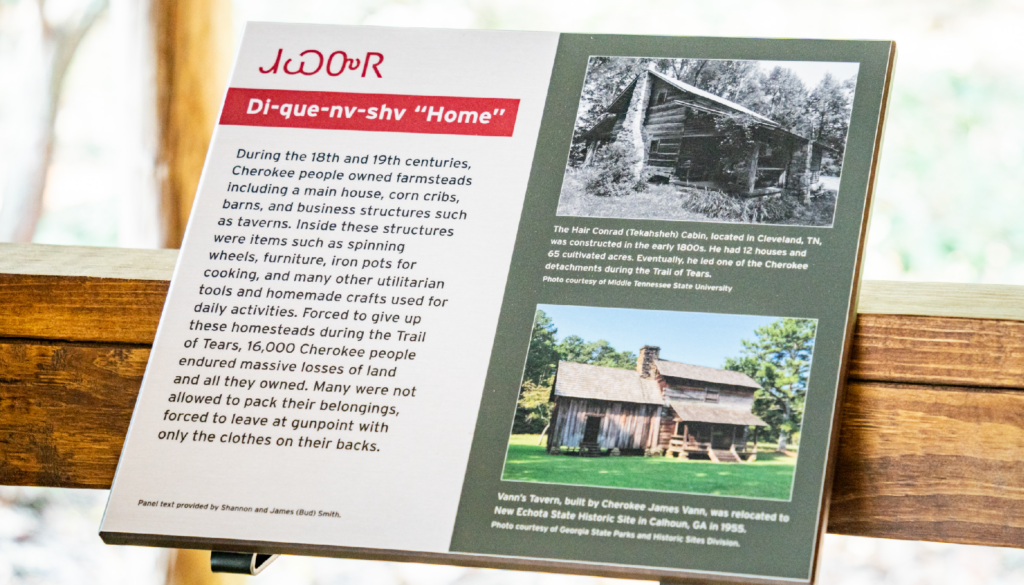
At The John C. Campbell Folk School, we’re grateful to have a connection to this work right here at home. The Log Cabin Museum walking tour was developed with input from the Eastern Band of Cherokee Indians, offering visitors a chance to learn directly about the region’s Indigenous history alongside the Folk School’s own story.
That relationship reflects something we believe deeply: that Native American art and craft knowledge deserve more than a single month of attention. They deserve ongoing respect, support, and space to be practiced and taught.
You can help carry that spirit forward by learning with us, visiting the Folk School, or supporting our work through a donation. However you choose to participate, there’s a place for you here.
About The John C. Campbell Folk School
For 100 years, our mission has been to transform lives by bringing people together in a nurturing environment for experiences in learning and community life that spark self-discovery. We believe in the power of non-competitive, hands-on learning across more than 50 craft and art disciplines. From blacksmithing to basketry, music to woodworking, we create space for joy, kindness, and lifelong growth. Every year, we welcome over 6,000 students and 100,000 visitors to our historic campus in Brasstown, North Carolina.
Ready to discover something new? Find a class that speaks to you, or support our mission with a donation to help keep traditional crafts and community learning alive for generations to come.
No Comments