


27 Oct How Creative Work Supports Emotional Well-Being
Key Takeaways
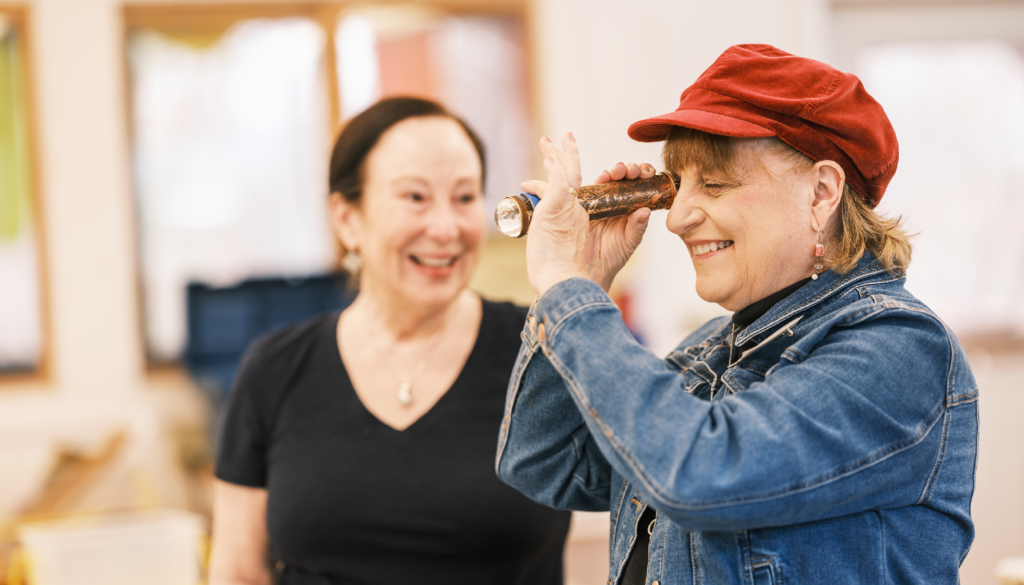
- Creative work calms the mind: Repetitive, hands-on activities like woodworking or weaving can lower stress.
- Flow reduces stress: Getting absorbed in a creative task shifts your brain from rumination to a more settled state.
- Community deepens the benefit: Learning a craft alongside others builds connection and support that amplify the emotional payoff.
- Intergenerational learning strengthens belonging: Sharing skills across age groups builds confidence and a stronger sense of community.
- Don’t overthink it: The biggest benefit often comes from simply getting started with a creative activity you enjoy.
Creative Expression as a Path to Healing
Prioritizing mental well-being means finding what helps us process emotions, ease stress, and build resilience, and there are many paths to get there. One of the most accessible is creativity.
Whether through art, music, writing, or hands-on crafts, creative expression can offer a meaningful outlet for working through emotions, reducing stress, and reconnecting with ourselves and others. It also fosters community bonding, creating opportunities to build and strengthen friendships and support emotional well-being in ways that feel accessible and rewarding.
The Science: How Making Things By Hand Calms The Mind
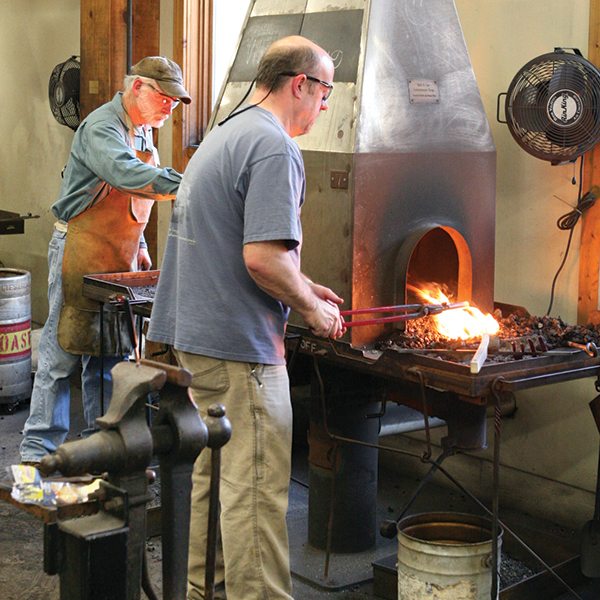
There’s real research behind these art therapy benefits, not just good vibes. Repetitive, focused activities like woodworking, weaving, or shaping clay on a wheel can shift your brain out of stress mode. A Drexel University study found that 45 minutes of hands-on art-making lowered cortisol levels in about 75% of participants, regardless of their skill level or experience.
Therapists have used arts and crafts for over a century to help people process hard experiences. Today, art therapy for stress relief is recognized as a legitimate, evidence-backed practice used to help people manage anxiety and trauma.
Here are a few reasons hands-on making has such a calming effect.
- Repetition soothes the nervous system: Steady, predictable movements like stitching or sanding give your brain something simple to focus on instead of racing thoughts.
- Flow reduces rumination: Getting absorbed in a task makes it harder for your mind to fixate on problems.
- Tangible results build confidence: Creating something with your own hands gives you a visible reminder of what you’re capable of accomplishing.
Whether you enjoy painting, knitting, woodworking, or another creative hobby, many different activities can provide these calming effects.
Community And Connection: Why Creating Together Matters
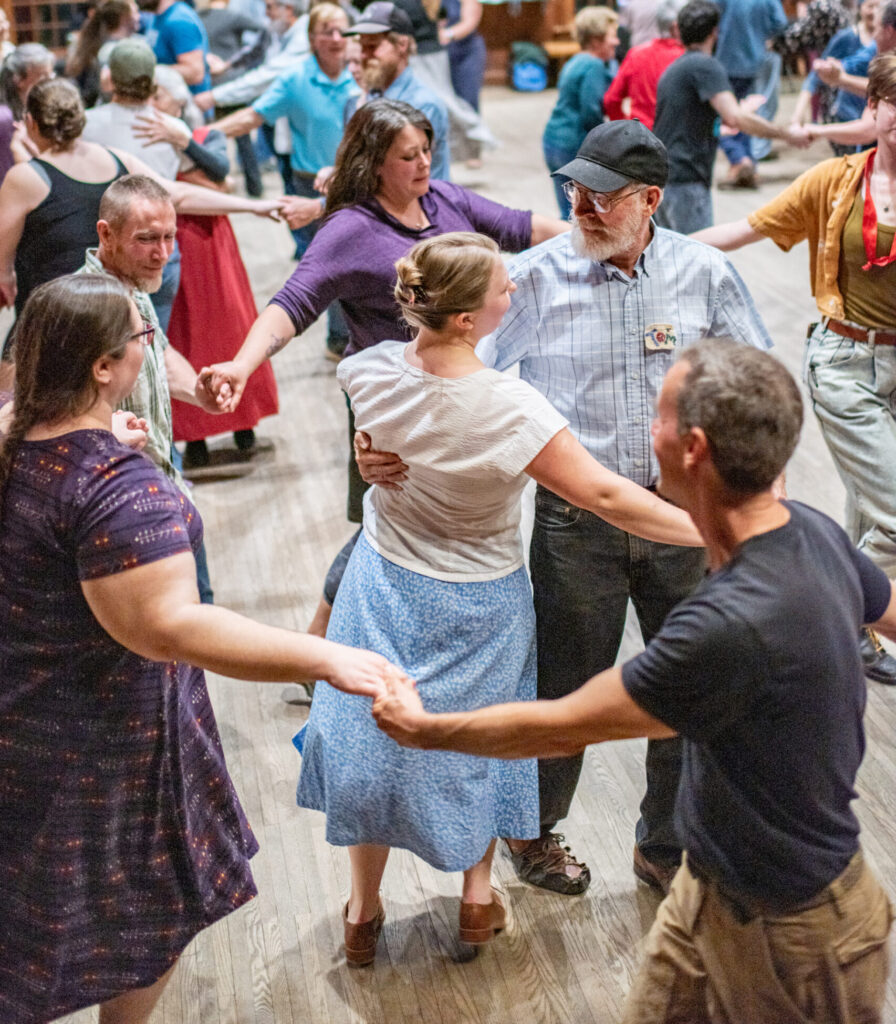
Craft doesn’t have to be a solo activity. In fact, it’s often better when it’s not. Learning alongside other people adds a layer of support you just can’t get from a solitary hobby. It’s part of why learning in a shared space changes the whole experience.
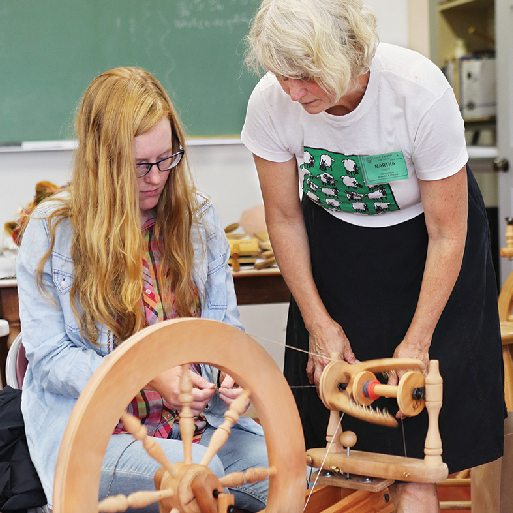
This is especially true across generations. When people of different ages learn side by side, they create meaningful relationships that reduce isolation and strengthen emotional well-being. Younger folks gain confidence, older folks rediscover their craft, and everyone walks away feeling a little more connected.
The Folk School Way: Craft As A Path To Emotional Well-Being
At The John C. Campbell Folk School, nobody’s grading your work. There’s no competition, no pressure to be the best in the room. This collaborative environment makes space for something deeper to happen. Many students and staff have described coming to a place like this specifically to heal, not just to learn a skill.
The benefits of hands-on learning go beyond just picking up a new trade. When you’re working with your hands in a supportive, unhurried setting, you give yourself permission to slow down, make mistakes, and just be present.
Bringing Creative Practice Into Your Everyday Life
You don’t need a big life change to start reaping the advantages of art therapy for yourself. Small, consistent creative practices can go a long way toward supporting your mental health.
- Start small and low pressure: Pick up something simple like sketching, knitting, or carving, without worrying about the outcome.
- Make it a regular habit: Even fifteen minutes a few times a week can help you build a steady creative rhythm.
- Find your people: Joining a class or group turns a solo hobby into a shared experience with built-in support.
Your mental well-being deserves care, attention, and time, every day of the year. Making room for stress-relief hobbies is one meaningful way to invest in yourself while building lasting connections with others.
Take the first step today by signing up for an upcoming class at the folk school and experience the healing power of creating by hand.
About The John C. Campbell Folk School
For 100 years, our mission has been to transform lives by bringing people together in a nurturing environment for experiences in learning and community life that spark self-discovery. We believe in the power of non-competitive, hands-on learning across more than 50 craft and art disciplines. From blacksmithing to basketry, music to woodworking, we create space for joy, kindness, and lifelong growth. Every year, we welcome over 6,000 students and 100,000 visitors to our historic campus in Brasstown, North Carolina.
Ready to discover something new? Find a class that speaks to you, or support our mission with a donation to help keep traditional crafts and community learning alive for generations to come.

No Comments